Cannabis Laws in Pakistan (2026): What Tourists Need to Know
Pakistan, located in South Asia, is known for its mountains, cultural heritage, historical sites, and diverse landscapes. Visitors explore cities such as Islamabad, Lahore, and Karachi, as well as natural attractions like the Himalayas and Hunza Valley. Understanding cannabis laws is essential because Pakistan has strict regulations on cannabis possession, cultivation, and use.
This guide explains cannabis laws in Pakistan in 2026, including recreational restrictions, medical cannabis considerations, CBD regulations, legal risks, and practical advice for tourists.
Quick Answer
Cannabis is illegal for recreational use in Pakistan. Possession, use, cultivation, sale, and trafficking are prohibited. Medical cannabis is highly restricted and generally unavailable to tourists. CBD products are regulated under local laws. Tourists should avoid carrying, purchasing, or using cannabis while in Pakistan.
Quick Facts
| Category | Status |
|---|---|
| Recreational Cannabis | Illegal |
| Possession | Illegal; penalties possible |
| Public Consumption | Illegal |
| Medical Cannabis | Highly restricted; generally unavailable to tourists |
| CBD Products | Regulated; verify legality |
| Sale / Trafficking | Illegal; severe penalties under Pakistani law |
Destination Overview
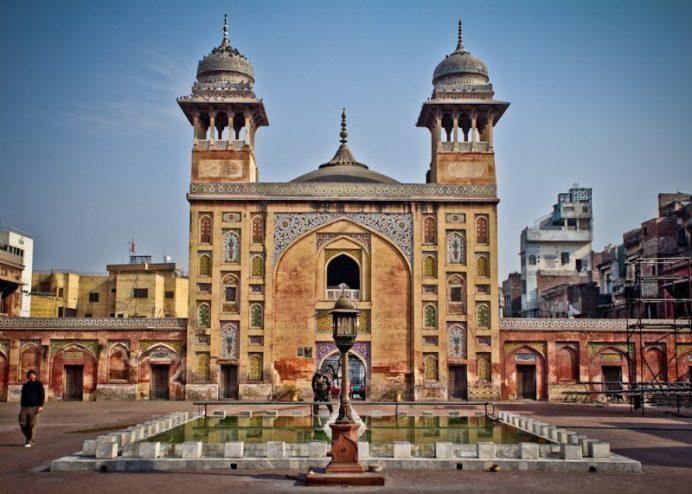
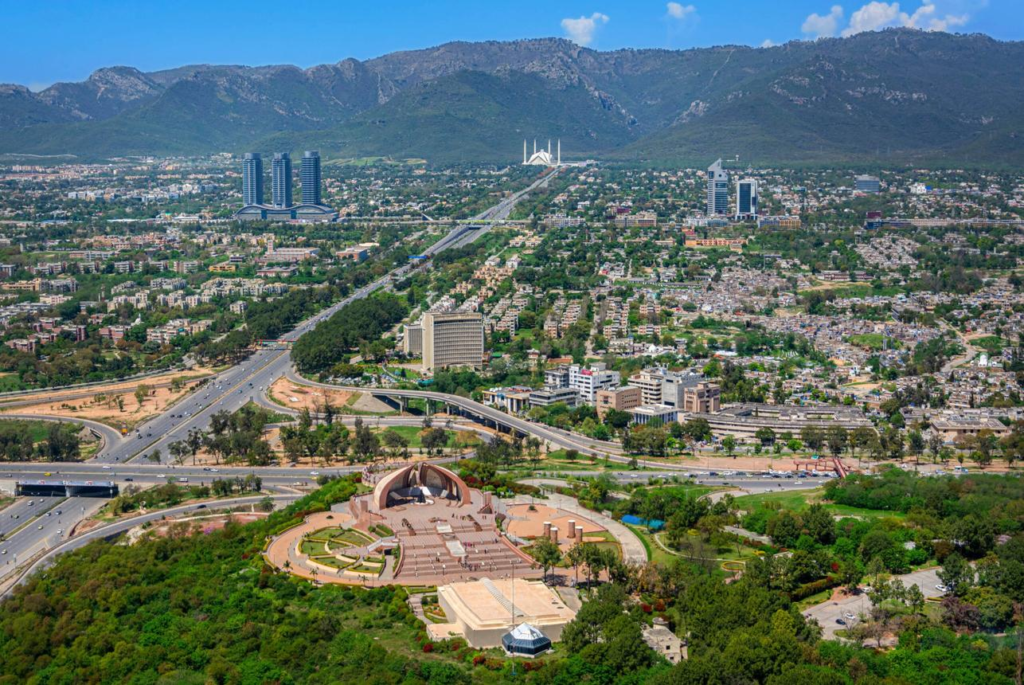
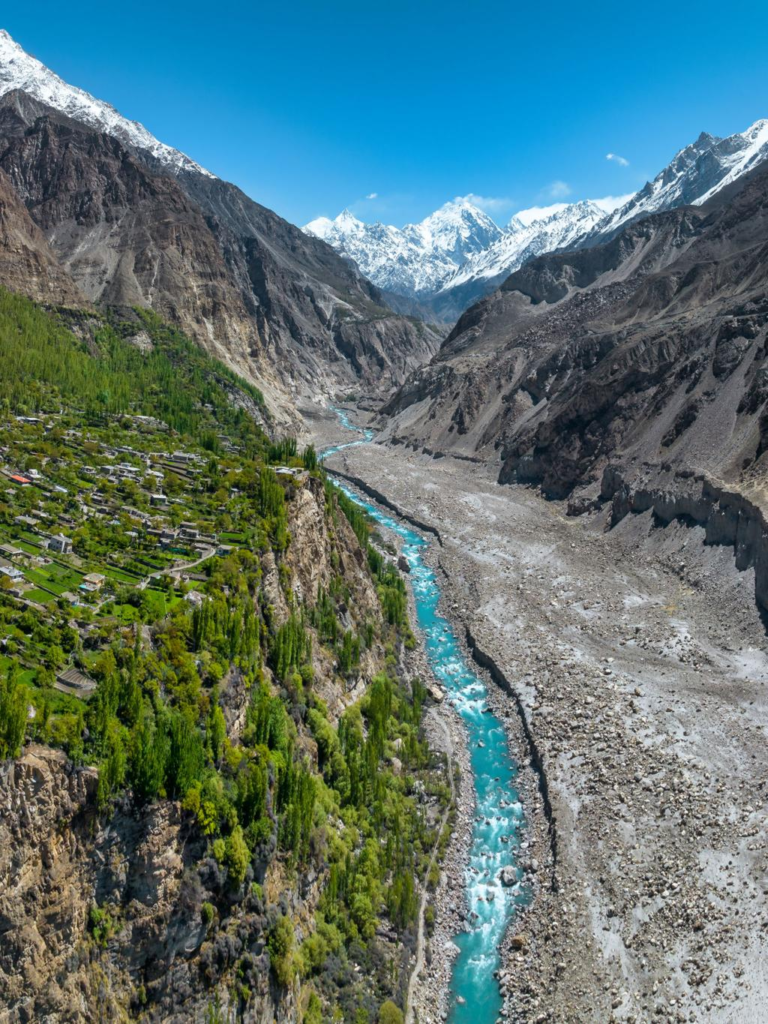
Pakistan offers a mix of cultural heritage, historic sites, natural landscapes, and urban experiences. Tourists explore cities like Islamabad, Lahore, and Karachi, along with scenic areas such as Hunza Valley, Swat, and the Karakoram mountains.
Cannabis laws apply nationwide, including urban areas, hotels, public spaces, tourist attractions, and transport hubs. Foreign visitors are subject to Pakistani law.
Legal Environment
Pakistan enforces strict cannabis regulations. Recreational use, possession, cultivation, and distribution are illegal. Violations may result in fines, imprisonment, or other criminal penalties. Medical cannabis is limited and regulated, but access is generally restricted to citizens with prescriptions. Tourists should not assume tolerance for recreational cannabis.
Medical Cannabis
Medical cannabis access is highly restricted in Pakistan. Tourists cannot generally obtain medical cannabis locally without special authorization.
CBD Products
CBD and hemp-derived products are regulated under Pakistani law. Tourists should verify compliance before bringing or using any CBD products in Pakistan.
Tourist Reality
Pakistan has no legal recreational cannabis market. Tourists cannot purchase cannabis legally, and attempting to do so from illegal sources carries serious legal risk.
Local Culture
Pakistan has a rich cultural heritage with diverse traditions. Visitors should respect local customs and laws while exploring urban and rural areas.
Health & Safety
- Do not carry, use, or purchase cannabis in Pakistan.
- CBD products must comply with Pakistani regulations.
- Do not assume tolerance for recreational cannabis use.
- Respect local cultural norms and laws.
- Avoid cannabis-related activities during travel.
Common Misconceptions
- Cannabis is legal in Pakistan — false; recreational use is prohibited.
- Small amounts are tolerated — false; possession can result in fines or imprisonment.
- Tourists have different rules — false; all visitors must follow Pakistani law.
- CBD products are automatically legal — false; must comply with regulations.
What Travelers Should Know Before Visiting
Pakistan is a destination for culture, history, mountains, and urban tourism—not cannabis tourism. Understanding local cannabis laws ensures tourists avoid legal problems and enjoy a safe visit.
Frequently Asked Questions
Is cannabis legal in Pakistan?
No. Recreational cannabis is illegal throughout Pakistan.
Can tourists buy cannabis in Pakistan?
No. There is no legal recreational cannabis market in Pakistan.
Can I bring CBD products into Pakistan?
Yes, only if they comply with Pakistani regulations.
Is medical cannabis available to tourists in Pakistan?
No. Medical cannabis access is highly restricted and generally unavailable to tourists.
Sources & References
- Government of Pakistan drug-control regulations
- Ministry of National Health Services, Pakistan
- Pakistan Customs Authority
- United Nations Office on Drugs and Crime (UNODC)
- International Narcotics Control Board (INCB)