
Travel Guide to Cannabis Laws in Gwalior (2026)
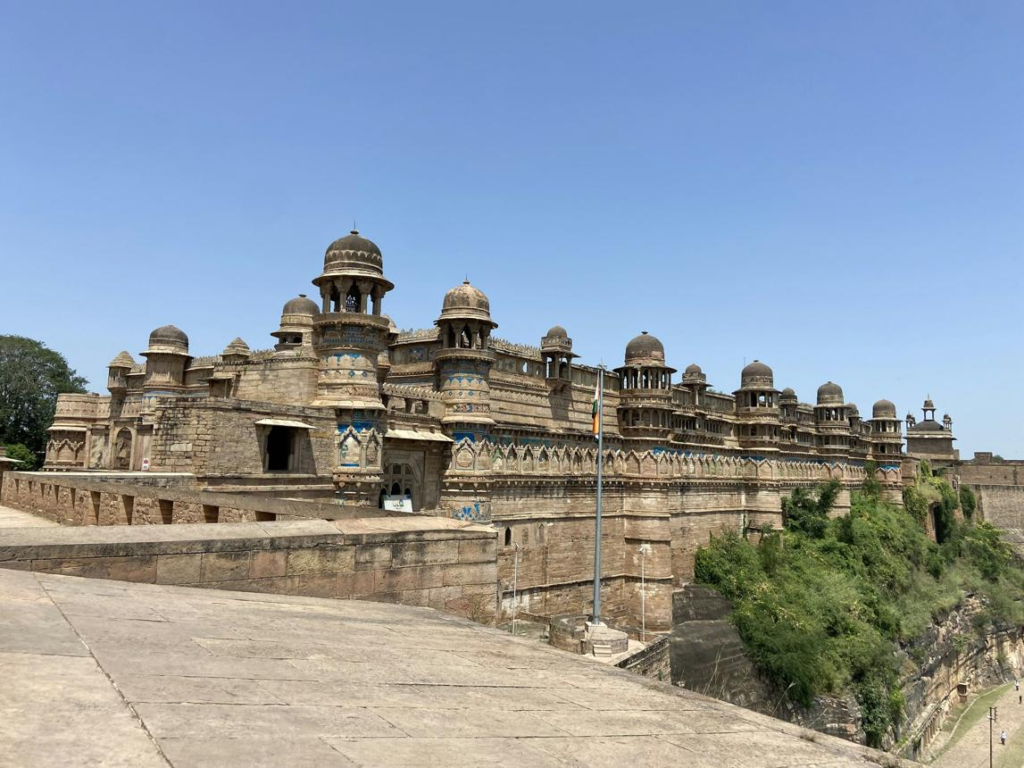
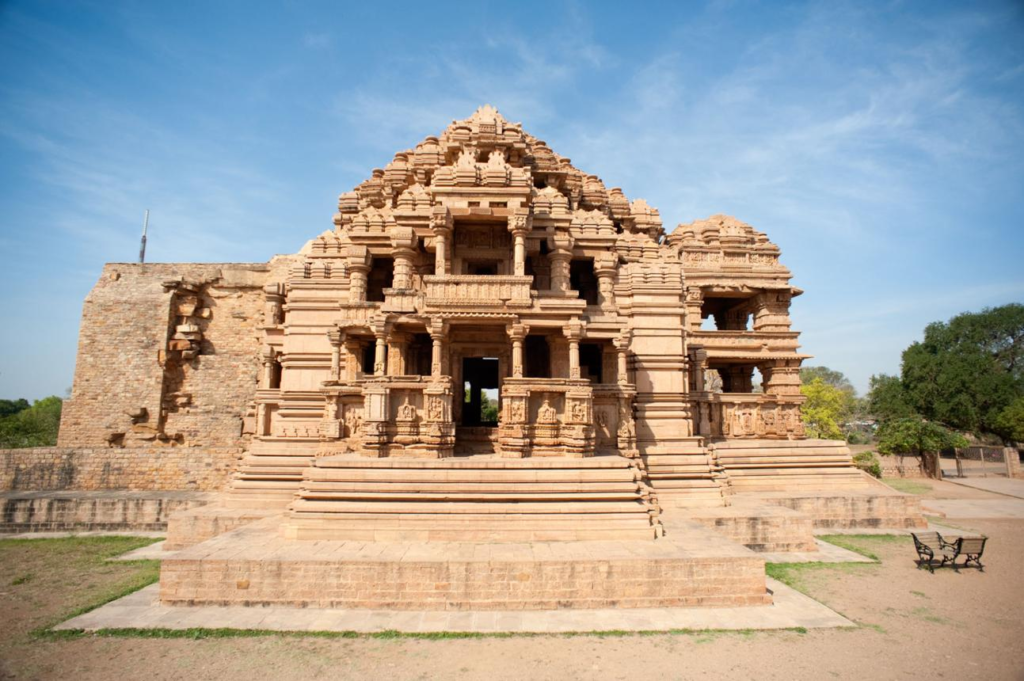
Gwalior is one of Madhya Pradesh’s most historic cities, known for its impressive fort, royal heritage, music traditions, palaces, temples, and architectural landmarks. Visitors explore attractions such as Gwalior Fort, Jai Vilas Palace, Sas-Bahu Temples, Tansen Tomb, and historic markets. Understanding cannabis laws is important because India has complex cannabis regulations that distinguish between different cannabis products.
This guide explains cannabis laws in Gwalior in 2026, including recreational restrictions, bhang regulations, medical cannabis considerations, legal risks, and practical advice for tourists.
Quick Answer
Cannabis is generally illegal for recreational use in Gwalior and throughout Madhya Pradesh. Indian law prohibits cannabis cultivation, production, possession, sale, and transport in many forms under national drug-control legislation. Traditional preparations such as bhang may be regulated differently in some Indian states, but this does not mean all cannabis products are legal. Tourists should not carry, purchase, or use cannabis products in Gwalior unless they are clearly permitted under applicable law.
Quick Facts
| Category | Status |
|---|---|
| Recreational Cannabis | Illegal |
| Possession | Restricted; penalties may apply |
| Public Consumption | Illegal |
| Bhang Products | Subject to state regulation |
| Medical Cannabis | Limited and regulated |
| Sale / Trafficking | Illegal; serious penalties apply |
Destination Overview
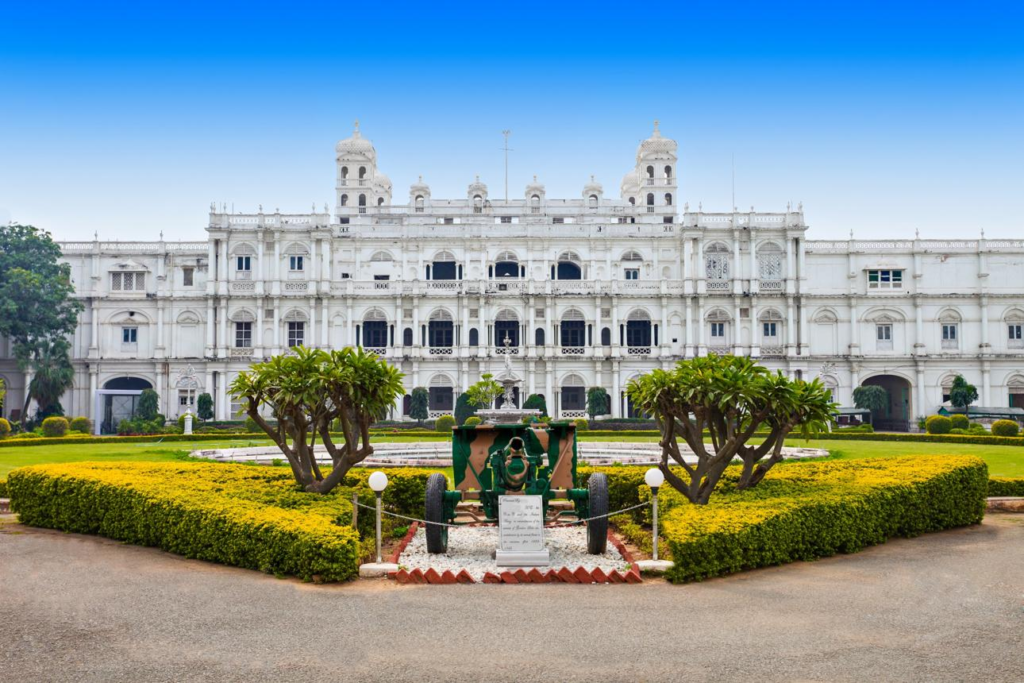
Gwalior is located in northern Madhya Pradesh and is one of central India’s most important historic cities. The city is recognised for its centuries-old fort, royal dynasties, classical music heritage, museums, temples, and architectural monuments.
Cannabis laws apply throughout Gwalior, including tourist attractions, markets, hotels, restaurants, public spaces, transport facilities, and private accommodation. Foreign visitors are subject to Indian law.
Legal Environment
India regulates cannabis primarily through the Narcotic Drugs and Psychotropic Substances (NDPS) Act. The law prohibits activities involving cannabis resin and flowering tops, while certain traditional preparations made from cannabis leaves and seeds may be treated differently depending on state regulations.
Madhya Pradesh maintains controls on cannabis-related activities. Possession, sale, cultivation, transportation, and distribution of prohibited cannabis products can result in criminal penalties.
Visitors should not assume that cannabis laws from their home country apply in Gwalior. Indian law applies equally to tourists, residents, and international travellers.
Medical Cannabis
India does not operate a broad tourist-accessible medical cannabis programme. Cannabis-based treatments and products remain subject to strict regulatory controls.
Travellers carrying cannabis-related medicines should verify Indian import requirements before arrival and carry appropriate medical documentation. Bringing cannabis products into India without confirmed permission may create legal problems.
Bhang and Cannabis Products
Bhang is a traditional cannabis preparation made mainly from cannabis leaves and seeds and may be regulated differently from cannabis resin or flowering tops under Indian law. Availability in some locations does not mean all cannabis products are legal.
Visitors should not assume that consuming a traditional preparation permits possession or use of other cannabis products such as marijuana or cannabis resin.
Tourist Reality
Gwalior does not have a legal recreational cannabis market. Visitors should avoid illegal sellers, informal offers, and unverified products, which may create legal and personal safety risks.
Claims that cannabis is widely accepted because of cultural traditions should be treated carefully. Local practices do not override national and state laws.
Local Culture
Gwalior reflects Madhya Pradesh’s cultural identity through forts, palaces, classical music traditions, temples, handicrafts, cuisine, and historic neighbourhoods. Visitors should respect local customs, Indian laws, and public standards throughout their stay.
Health & Safety
- Do not carry cannabis products into India without confirmed legal approval.
- Do not purchase cannabis from illegal sources.
- Do not transport cannabis across state or international borders.
- Check regulations before travelling with cannabis-related medicines.
- Respect Indian and Madhya Pradesh drug laws.
Common Misconceptions
- Cannabis is fully legal in India because bhang exists — false; regulations differ by product and state.
- Tourists can freely purchase cannabis in Gwalior — false.
- Traditional use makes all cannabis products legal — false.
- Foreign visitors receive different rules — false; Indian law applies.
What Travelers Should Know Before Visiting
Gwalior is a destination for history, architecture, music, culture, and Madhya Pradesh experiences—not cannabis tourism. Understanding cannabis laws helps visitors avoid legal problems and enjoy a responsible trip.
Frequently Asked Questions
Is cannabis legal in Gwalior?
No. Recreational cannabis remains illegal in Gwalior and Madhya Pradesh.
Can tourists buy cannabis in Gwalior?
No. Tourists should not purchase cannabis products from illegal sources.
Is bhang legal in Gwalior?
Some bhang products may be regulated differently, but rules depend on applicable Indian and Madhya Pradesh regulations.
Is medical cannabis available to tourists in Gwalior?
Medical cannabis access is limited and regulated and is not generally available as a tourist service.
Sources & References
- India Narcotic Drugs and Psychotropic Substances (NDPS) Act
- Government of India drug-control regulations
- Madhya Pradesh state regulations
- Indian Ministry of Health and Family Welfare
- United Nations Office on Drugs and Crime (UNODC)