
Cannabis Laws in Shanghai (2026): What Tourists Need to Know
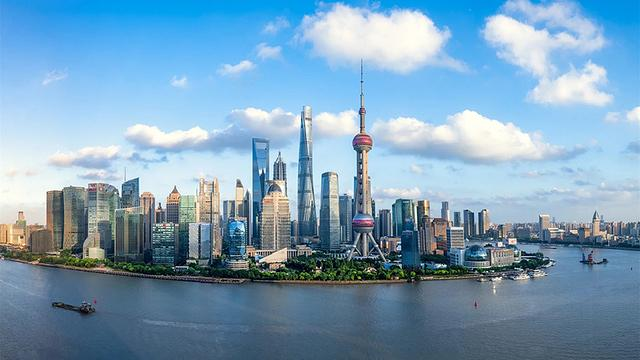
Shanghai, China’s largest city and a global financial hub, is known for its iconic skyline, historic Bund, cultural districts, and modern urban attractions. While tourism in Shanghai is thriving, visitors must be aware that China maintains extremely strict drug laws, and cannabis is classified as an illegal substance.
This guide explains cannabis regulations in Shanghai for 2026, including distinctions between recreational and medical use, CBD products, possession penalties, and safety advice for tourists.
Quick Answer
Recreational cannabis is illegal in Shanghai and throughout China. Possession, cultivation, distribution, or trafficking of cannabis can result in severe criminal penalties, including long prison terms and, in extreme cases, the death penalty for large-scale trafficking. Medical cannabis programs are very limited, and CBD products are heavily regulated.
Quick Facts
| Category | Status |
|---|---|
| Recreational Cannabis | Illegal |
| Possession | Illegal; severe criminal penalties |
| Public Consumption | Illegal |
| Medical Cannabis | Extremely limited; government-regulated |
| CBD Products | Heavily regulated; import restrictions |
| Cultivation | Illegal |
| Sale / Trafficking | Severe criminal penalties, including possible capital punishment |
Understanding Cannabis Laws in Shanghai
China has a zero-tolerance policy for narcotics. Tourists in Shanghai are subject to the same laws as residents. Any engagement with cannabis—possession, purchase, sale, or consumption—can result in prosecution.
Medical cannabis is rare and requires strict government authorization. Travelers with CBD or cannabis-based products should verify legality and import requirements before entering China.
Medical Cannabis
Medical cannabis access in China is extremely limited, primarily restricted to government-approved clinical trials or licensed research programs. Tourists cannot rely on local access for medical use.
Tourist Reality
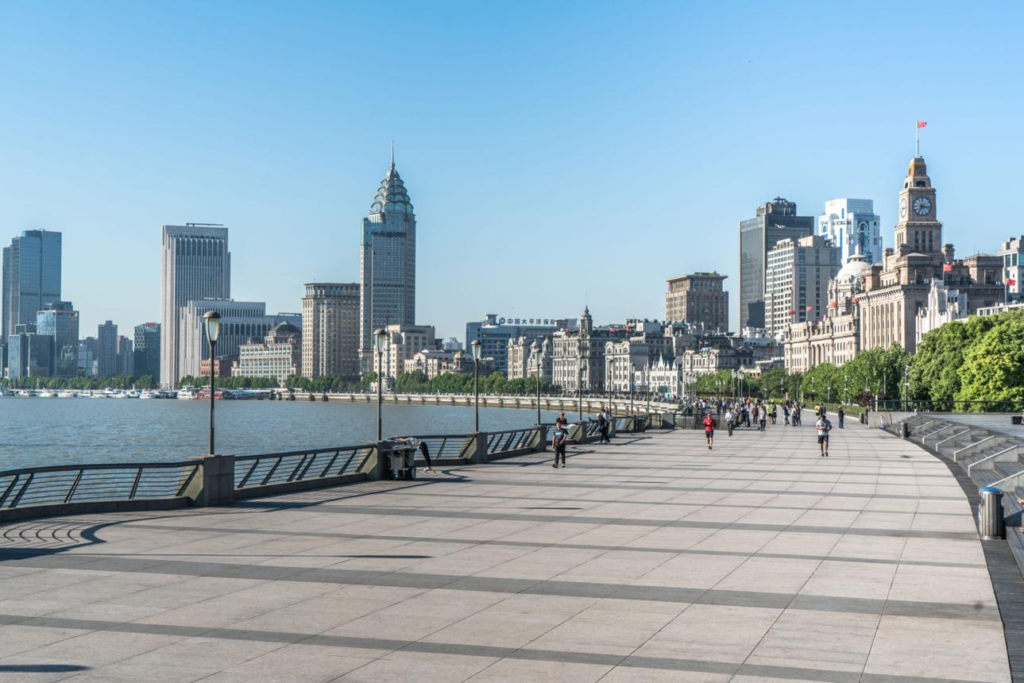
Shanghai is celebrated for its historic Bund, skyscrapers, museums, shopping, and entertainment. Cannabis tourism does not exist, and visitors must focus on safe, legal cultural and urban experiences.
Travel Safety Advice
- Do not attempt to buy, possess, or consume cannabis.
- Do not bring CBD or cannabis-derived products without confirming legal authorization.
- Respect local laws, customs, and security regulations at all times.
- Severe penalties can include imprisonment, fines, or deportation.
- Plan travel around cultural, culinary, and urban sightseeing experiences.
Common Misconceptions
- Cannabis is tolerated in major cities — false; enforcement is strict everywhere.
- Small quantities are ignored — false; even minor possession is criminally punishable.
- Medical prescriptions from other countries are valid — false; authorization is required.
- CBD products are legal — false; strict import and regulatory controls apply.
Local Culture
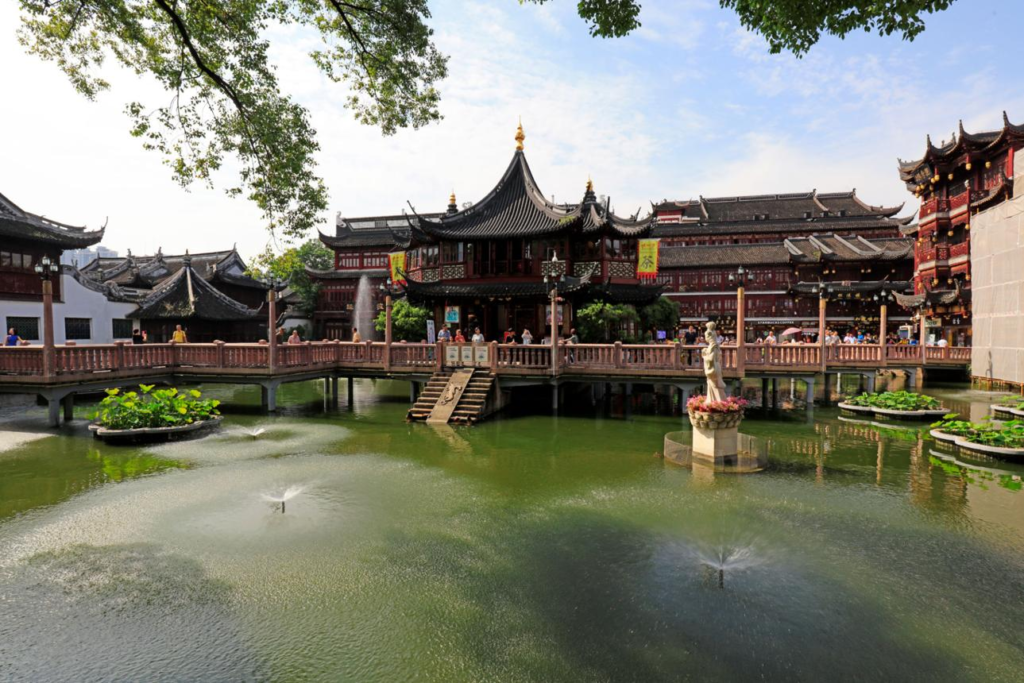
Shanghai offers a mix of modern skyscrapers, historical sites, bustling markets, and diverse cuisine. Tourists should prioritize legal sightseeing, shopping, dining, and cultural experiences while fully respecting local laws and regulations regarding controlled substances.
Frequently Asked Questions
Is cannabis legal in Shanghai?
No. Recreational cannabis is strictly illegal.
Can tourists legally buy cannabis?
No. There is no legal market for recreational cannabis.
Is medical cannabis accessible in Shanghai?
Access is extremely limited and requires government authorization.
Can CBD products be brought into Shanghai?
Not without prior approval; importation is heavily regulated.
What are the penalties for possession or trafficking?
Severe criminal penalties apply, including imprisonment, fines, or capital punishment for trafficking.
Sources & References
- Chinese Narcotics Control Law
- Ministry of Public Security, PRC
- China National Narcotics Control Commission
- United Nations Office on Drugs and Crime (UNODC)
- International Narcotics Control Board (INCB)