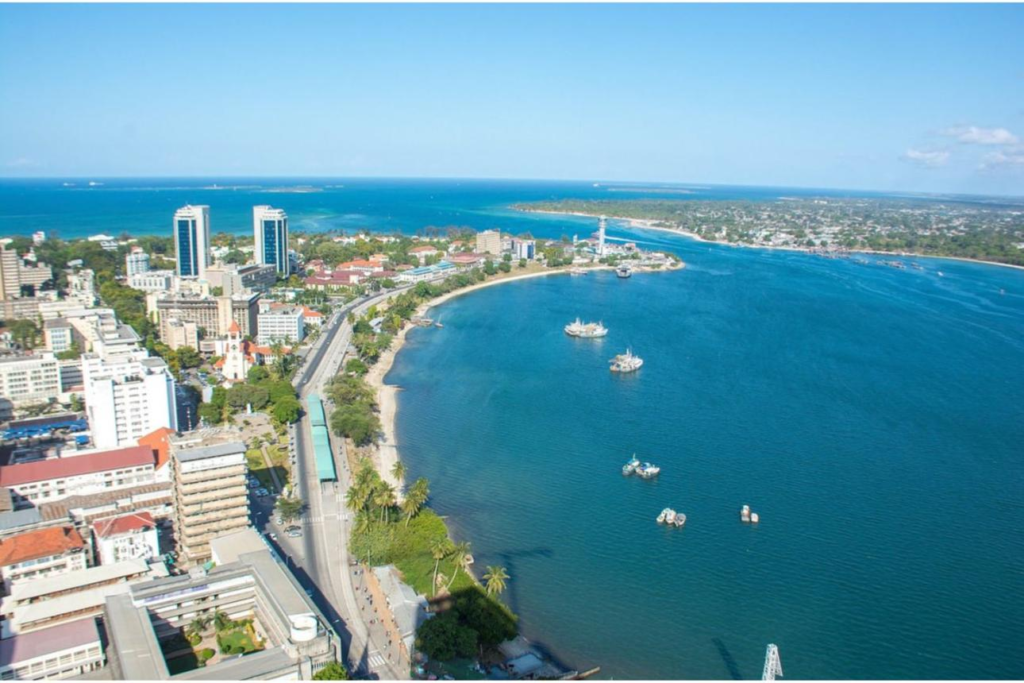
Dar es Salaam, Tanzania’s largest city and a major gateway to East Africa, is known for its Indian Ocean coastline, historic neighbourhoods, markets, cultural attractions, and connections to Tanzania’s famous safari and island destinations. Visitors travel to Dar es Salaam for business, tourism, coastal experiences, and access to places such as Zanzibar and national parks. Understanding Tanzanian cannabis laws is essential before visiting.
As of 2026, cannabis remains illegal for recreational use in Dar es Salaam and throughout Tanzania. Possession, use, cultivation, production, sale, trafficking, and unauthorized importation of cannabis are prohibited and may result in serious legal consequences. Tanzanian drug laws apply to residents, tourists, and foreign visitors.
This guide explains cannabis laws in Dar es Salaam, including recreational restrictions, medical cannabis considerations, CBD rules, legal risks, and practical travel advice for tourists.
Quick Answer
Recreational cannabis is illegal in Dar es Salaam. Tourists cannot legally buy, possess, or use cannabis for recreational purposes.
Visitors should avoid carrying cannabis products, attempting to purchase illegal cannabis, or transporting cannabis across Tanzanian borders.
Quick Facts
| Category | Status |
|---|---|
| Recreational Cannabis | Illegal |
| Possession | Restricted; serious penalties may apply |
| Public Consumption | Illegal |
| Medical Cannabis | No general tourist-access medical cannabis programme |
| CBD Products | Restricted; verify before travel |
| Cultivation | Illegal without authorization |
| Sale / Trafficking | Serious criminal offence |
Understanding Cannabis Laws in Dar Es Salaam
Tanzania maintains strict controls over cannabis and other controlled substances. Unauthorized possession, use, cultivation, production, distribution, and trafficking may result in legal penalties.
Dar es Salaam follows national Tanzanian drug regulations. Tourists and foreign visitors are not exempt from local laws, and nationality or travel status does not provide protection from drug-related offences.
Medical Cannabis in Tanzania
Tanzania does not operate a broad medical cannabis system comparable to countries with regulated prescription cannabis programmes.
Travelers who use cannabis-based medicines should seek official guidance before travelling. A prescription from another country does not automatically authorize bringing cannabis products into Tanzania.
CBD Products
Visitors should exercise caution with CBD and hemp-derived products when entering Tanzania. Cannabis-related products may create legal risks depending on ingredients, THC content, and classification.
Travelers should verify whether CBD oils, supplements, cosmetics, or hemp-derived products are permitted before bringing them into Tanzania.
Tourist Reality
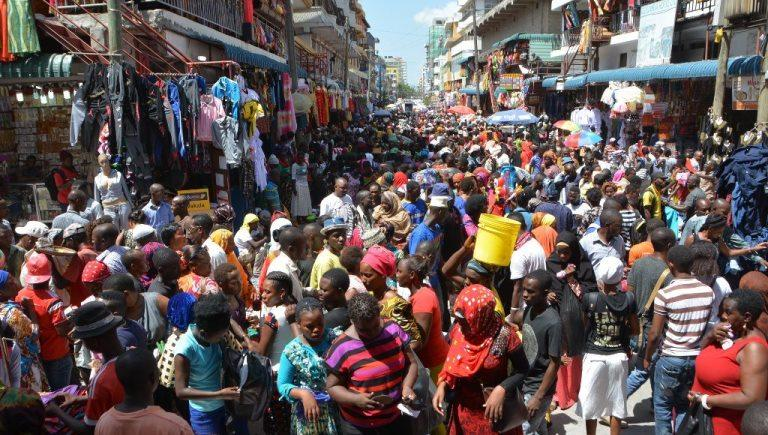
Dar es Salaam is known for Indian Ocean beaches, Swahili culture, seafood, history, markets, and its role as a gateway to Tanzania’s natural attractions—not cannabis tourism.
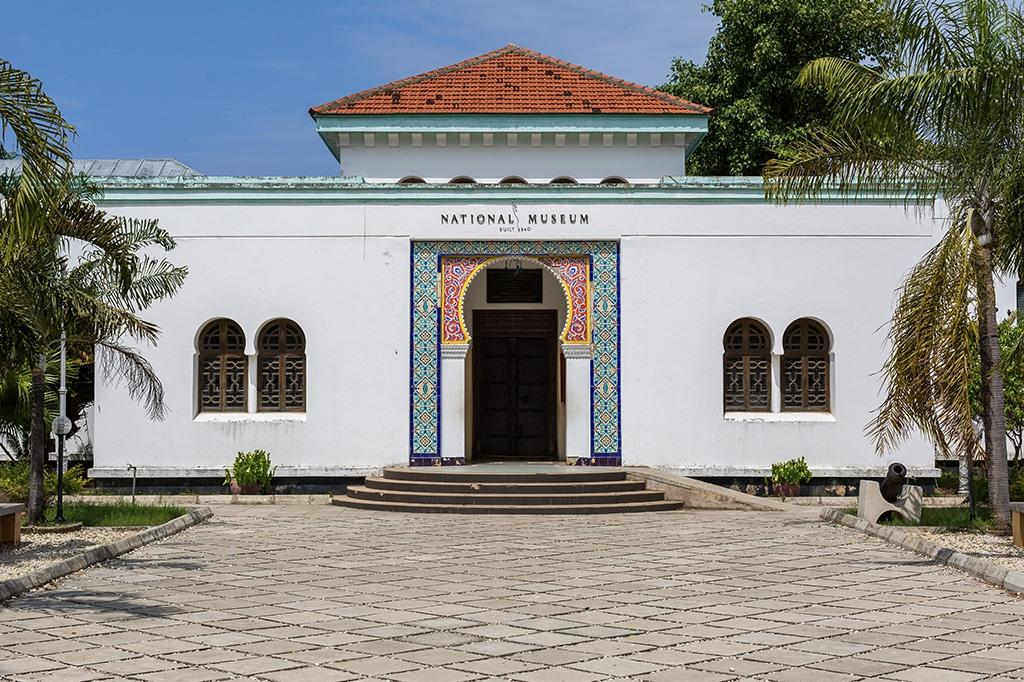
Visitors can explore attractions such as the National Museum, Kariakoo markets, waterfront areas, cultural sites, and nearby coastal destinations while respecting Tanzanian laws.
Travel Safety Advice
- Do not attempt to purchase recreational cannabis.
- Do not carry cannabis products through airports, ports, or border crossings.
- Check regulations before travelling with any cannabis-related medicines.
- Respect Tanzanian laws and local customs.
- Confirm current entry and legal requirements with official authorities before travelling.
Common Misconceptions
- “Tourists have different cannabis rules in Tanzania.”
False. Visitors must follow Tanzanian law. - “Small amounts are always tolerated.”
False. Cannabis possession may result in serious legal consequences. - “CBD products are automatically safe to bring.”
False. Cannabis-derived products may be restricted. - “Cannabis laws are the same across Africa.”
False. Each country has its own regulations.
Local Culture
Dar es Salaam offers visitors a rich combination of Swahili heritage, coastal traditions, cuisine, commerce, and cultural experiences. Respecting local laws helps ensure a safer and more enjoyable journey.
Frequently Asked Questions
Is cannabis legal in Dar es Salaam?
No. Cannabis remains illegal in Dar es Salaam and throughout Tanzania.
Can tourists legally buy cannabis in Dar es Salaam?
No. There is no legal recreational cannabis market.
Is medical cannabis available?
Tanzania does not provide a general tourist-access medical cannabis system.
Can tourists bring cannabis into Tanzania?
No. Importing cannabis products without authorization can result in serious legal consequences.
Are CBD products allowed?
Travelers should verify CBD product rules before arrival because cannabis-derived products may create legal risks.
Sources & References
- Tanzanian government legal authorities
- Tanzania customs and border authorities
- Tanzanian health and regulatory authorities
- United Nations Office on Drugs and Crime (UNODC)
- International Narcotics Control Board (INCB)
I’ve ordered twice now and both times the buds were consistent. Pricing is fair compared to what I’ve seen around. Shipping was faster than I thought it would be. Solid experience overall.
This my second order and they still locked in. Flower was fresh, not dry at all. Real talk, that’s hard to find sometimes.
Solid experience. Nothing crazy to add. Got what I paid for and it showed up when they said.
Flew in for a conference last week and needed something to unwind after them long days. A buddy of mine put me on and I'm glad he did. The disposables were smooth, hit like a real cart should, and nobody asked me a bunch of questions. Might just order again before I head home Sunday.
Solid pack, no complaints.
lowkey surprised how quick it moved. ordered monday had it wednesday. no complaints
I had a few concerns before placing the order and their team answered every question without rushing me. That kind of patience means a lot when you're new to this. The pack arrived on time and matched what I paid for.
ordered around midnight didn't think nothing would move till morning. woke up to it already shipped. crazy
Delivery time surprised me fr. I ordered at night and it felt like it shipped instantly. Good vibes all around.
Not bad at all. The pre-rolls burned clean and the price was right. I'll probably grab a bigger order next time.
Really appreciated feeling like an actual customer instead of just a number. They followed up after delivery too. Product was fresh and hit as expected.
bro whoever picking these strains got taste fr. the purple punch had me sleep by 10pm lmao
I'll be honest, I wasn't sure at first because I've been burned before by online spots. But everything they said would happen, happened. Tracking worked, package showed up sealed, and the flower actually matched the description for once. Trust earned.
Ordered an eighth of the Sour Diesel and it came through cured just right. Not too dry, not too wet, burned clean in the paper. Been looking for a spot like this for a minute.
Flew in for a conference and needed something to unwind after long days of meetings. Found them through a friend of a friend and figured I'd try. The disposable I picked up was smooth, hit clean, no headaches the next morning. Prices were a little higher than what I'm used to back home but the quality made sense of it.