
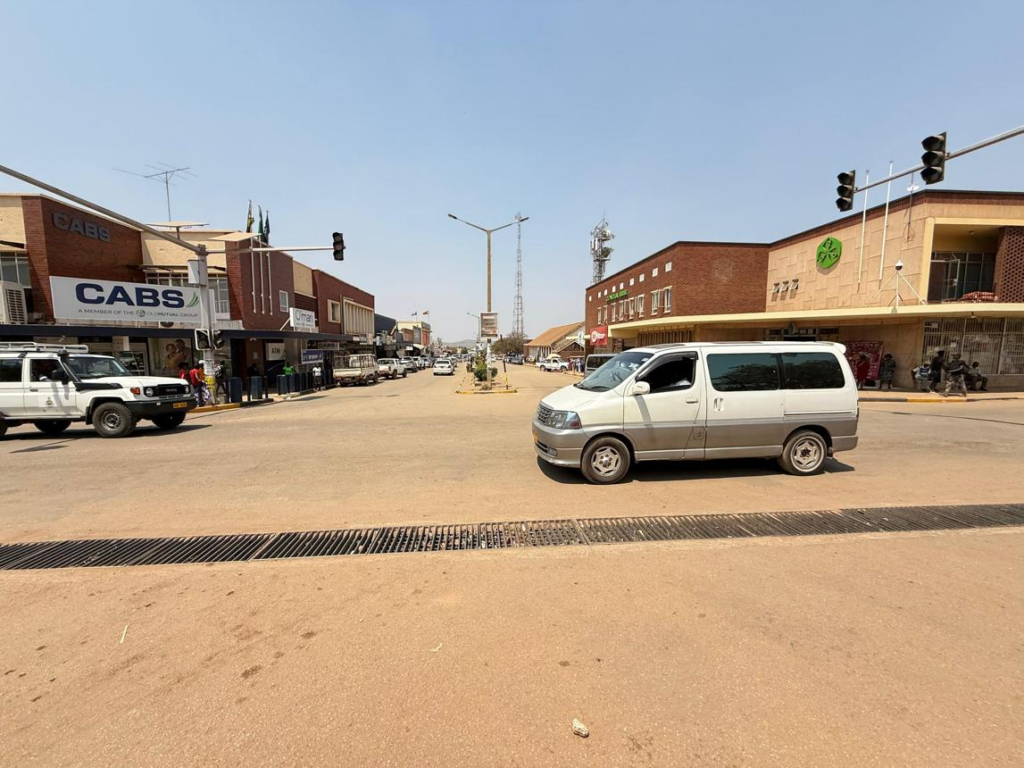
Kadoma, located in Mashonaland West Province, Zimbabwe, is known for its mining history, local culture, agricultural surroundings, and connection to Zimbabwe’s central regions. Visitors travel through Kadoma for business, regional exploration, and cultural experiences. Understanding Zimbabwe’s cannabis laws is important before visiting.
As of 2026, cannabis laws in Zimbabwe remain strictly regulated. Recreational cannabis use, possession, sale, and unauthorized cultivation are prohibited. Zimbabwe has introduced limited legal frameworks for cannabis cultivation and production under government licensing systems, but this does not create a legal recreational cannabis market for tourists.
This guide explains cannabis laws in Kadoma, including recreational restrictions, medical cannabis considerations, CBD rules, legal risks, and practical travel advice for visitors.
Quick Answer
Visitors should not treat Kadoma as a cannabis tourism destination. Recreational cannabis remains illegal, and tourists cannot legally buy, possess, or use cannabis for personal recreational purposes.
Travelers should avoid carrying cannabis products, purchasing unlicensed cannabis, or transporting cannabis across Zimbabwe’s borders.
Quick Facts
| Category | Status |
|---|---|
| Recreational Cannabis | Illegal |
| Possession | Restricted; penalties may apply |
| Public Consumption | Illegal |
| Medical Cannabis | Limited and regulated |
| Licensed Cannabis Production | Permitted only under government authorization |
| CBD Products | Subject to regulation; verify before travel |
| Trafficking | Serious criminal offence |
Understanding Cannabis Laws in Kadoma

Kadoma follows Zimbabwe’s national cannabis regulations. While Zimbabwe has created legal pathways for licensed cannabis cultivation and production, these systems are intended for authorized operators and approved purposes, not general recreational use.
Tourists and foreign visitors are subject to the same laws as residents. A visitor’s nationality or travel status does not provide an exemption from Zimbabwean drug regulations.
Medical Cannabis in Zimbabwe
Zimbabwe has developed a regulated medical cannabis and industrial hemp framework. Licensed cultivation and production may be permitted under government oversight.
Travelers who use cannabis-based medicines should confirm Zimbabwe’s import requirements before arrival. A prescription from another country does not automatically authorize bringing cannabis medicines into Zimbabwe.
CBD Products

CBD and hemp-derived products may be regulated depending on their ingredients, THC content, and legal classification.
Visitors should verify whether CBD oils, supplements, cosmetics, or hemp products are permitted before bringing them into Zimbabwe.
Tourist Reality
Kadoma is known for Zimbabwean culture, mining heritage, agriculture, and regional landscapes—not cannabis tourism.
Visitors can experience local communities, nearby natural attractions, traditional markets, and Zimbabwe’s wider cultural heritage while respecting local laws.
Travel Safety Advice
- Do not attempt to purchase recreational cannabis.
- Do not carry cannabis products through airports or border crossings.
- Check regulations before travelling with medical cannabis or CBD products.
- Respect Zimbabwean laws and local customs.
- Confirm current entry and legal requirements with official authorities before travelling.
Common Misconceptions
- “Legal cannabis cultivation means recreational cannabis is legal.”
False. Licensed production does not create a recreational market. - “Tourists can use cannabis privately without consequences.”
False. Visitors remain subject to Zimbabwean law. - “CBD products are automatically allowed.”
False. Product rules must be verified before travel. - “African countries have identical cannabis laws.”
False. Each country has its own regulations.
Local Culture
Kadoma offers visitors insight into Zimbabwean life through local traditions, commerce, agriculture, and regional history. Respecting local laws helps ensure a safe and enjoyable journey.
Frequently Asked Questions
Is cannabis legal in Kadoma?
No. Recreational cannabis remains illegal in Kadoma and throughout Zimbabwe.
Can tourists legally buy cannabis in Kadoma?
No. There is no legal recreational cannabis market for tourists.
Is medical cannabis available?
Zimbabwe permits regulated cannabis activities under specific licensing frameworks, but access is not equivalent to a tourist recreational market.
Can tourists bring cannabis into Zimbabwe?
No. Importing cannabis products without proper authorization can result in legal consequences.
Are CBD products allowed?
Travelers should verify CBD product rules before arrival because cannabis-derived products may be regulated.
Sources & References
- Zimbabwe government regulatory authorities
- Zimbabwe Medicines and health regulatory bodies
- Zimbabwe customs and border authorities
- United Nations Office on Drugs and Crime (UNODC)
- International Narcotics Control Board (INCB)
Was passing through Vegas and needed a small stash for the weekend. They handled it quick and the disposables were solid. Made the trip a whole lot better.
Ordered a half and it landed the next morning. Buds were dense and smelled like they should. No games, no runaround.
order came in two days flat. buds smelled crazy soon as i opened it. imma keep messing with them fr
Was hesitant about the crypto thing at first cause I never used it before. They walked me through it step by step and it wasn't as bad as I thought. Order came through clean.
Was traveling through for a couple days visiting family and needed something to help me sleep. These guys came recommended by a homie who lives out there. Ended up grabbing some indica flower and a few disposables, everything was on point. Only complaint is I wish I would've ordered more before I left.
Pack was heavy fr, no cap the scale don't lie.
Flower was decent. Not the loudest I ever had but definitely worth what I paid. Communication was quick which I liked.
bro the edibles knocked me OUT. took two thinking I was tough and woke up 12 hours later lmao. worth every dollar tho
bro the pack was heavy heavy. weighed it out and it was actually a lil over. good looks on that
lowkey the best experience i had in a while. no weird back and forth, no waiting days for a reply. just business
Pack came thru quick, no complaints.
Solid experience overall. Prices was fair, delivery didn't drag, and the buds smelled loud when I cracked it open. Nothing crazy but nothing bad either.
Straight up one of the smoother experiences I had ordering online. Support texted me back within minutes each time. Buds looked exactly like the pics.
Ordered a couple edibles cause I don't smoke much anymore. They were dosed right and worked exactly how I needed them to. Simple and easy.