
Visiting Hanoi? Here’s What You Should Know About Cannabis Laws (2026)
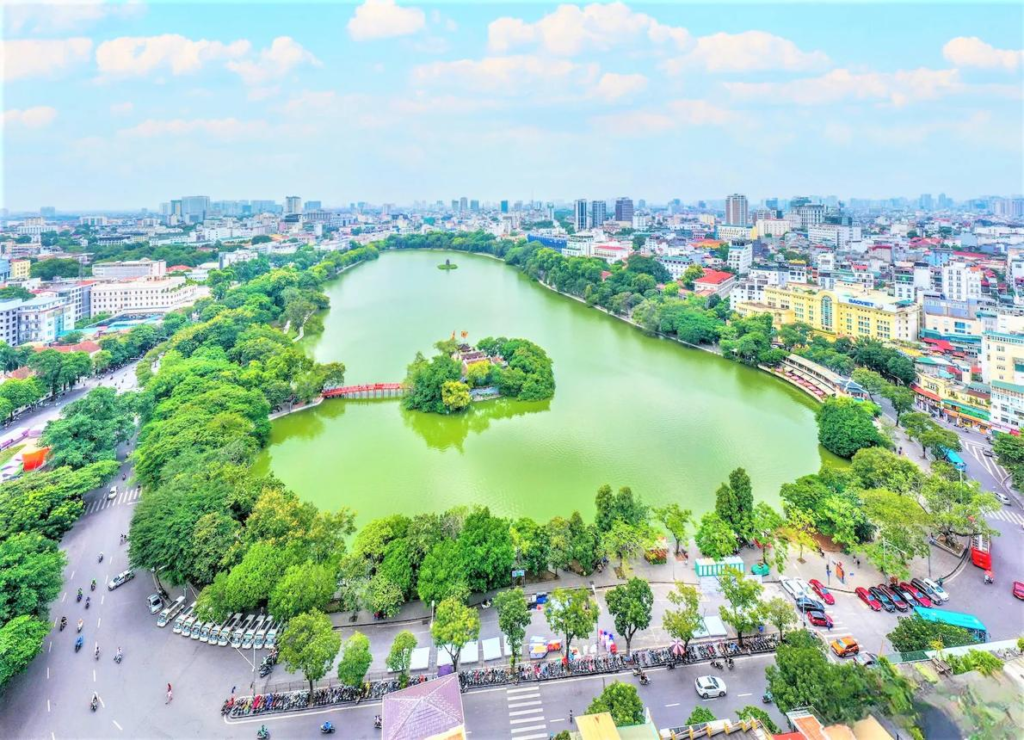
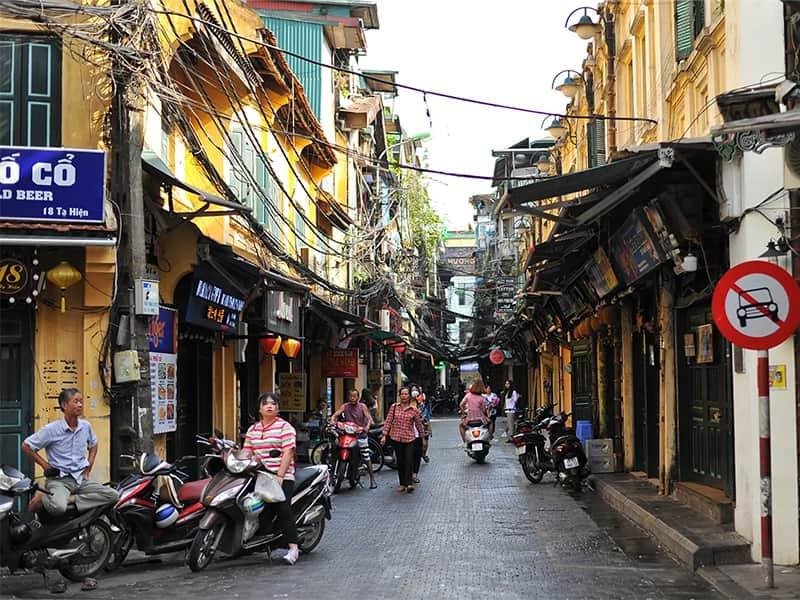
Hanoi, the capital of Vietnam, is a bustling city with a rich history, French colonial architecture, vibrant street markets, and a unique blend of traditional and modern culture. Tourists visiting Hanoi should be aware of strict local laws regarding controlled substances, including cannabis.
Vietnam enforces very strict drug laws. Cannabis, including recreational use, is illegal, and penalties for possession, trafficking, or consumption can be severe. Foreign tourists are subject to the same legal standards as residents.
This guide provides a detailed overview of Hanoi’s cannabis laws in 2026, including recreational and medical cannabis, CBD products, legal risks, cultural considerations, and practical travel advice.
Quick Answer
Recreational cannabis is illegal in Hanoi and across Vietnam. Possession, use, cultivation, and trafficking are strictly prohibited. Medical cannabis is not legally available for tourists, and CBD products are heavily regulated.
Visitors should not attempt to purchase cannabis, even small amounts, and must comply with Vietnamese law to avoid fines, imprisonment, or deportation.
Quick Facts
| Category | Status |
|---|---|
| Recreational Cannabis | Illegal nationwide |
| Possession | Illegal; severe penalties |
| Cultivation | Illegal |
| Trafficking / Sale | Severe criminal penalties; imprisonment possible |
| Medical Cannabis | Not legally accessible for tourists |
| CBD Products | Heavily regulated |
| Tourist Access | None legally |
Can Tourists Legally Buy Cannabis in Hanoi?
No. Vietnam has no legal recreational cannabis market for tourists. Any attempt to buy cannabis from unlicensed sources is illegal and may result in arrest, criminal prosecution, fines, or even imprisonment.
Medical Cannabis in Hanoi
Medical cannabis is highly restricted in Vietnam and not generally available to international visitors. Any medical use requires strict authorization, and foreign prescriptions are not recognized.
CBD Products
CBD products are heavily regulated and may be considered controlled substances if containing THC. Tourists should not attempt to bring CBD products into Vietnam without prior legal authorization.
Tourist Reality
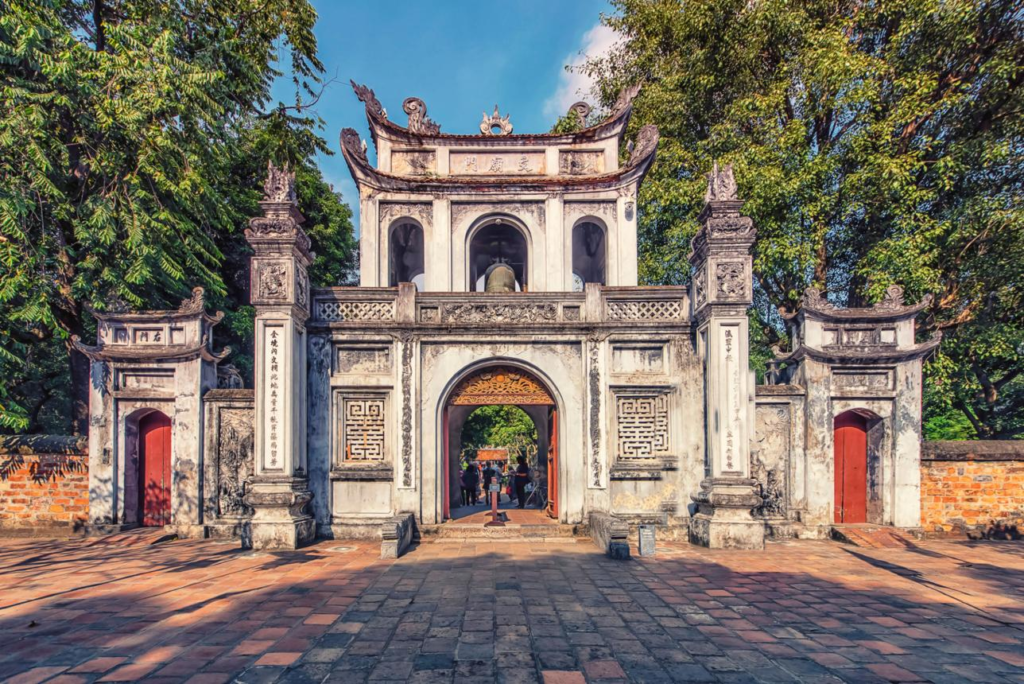
Hanoi is famous for its cultural heritage, street food, temples, and lakes. Cannabis tourism is not supported, and recreational use is strictly illegal. Tourists should focus on the city’s historic sites and cultural experiences.
Travel Safety Advice
- Do not attempt to buy recreational cannabis.
- Avoid street vendors offering drugs of any kind.
- Do not bring cannabis or cannabis-based products into Vietnam.
- Respect Vietnamese law and local customs at all times.
- Focus on safe cultural, historical, and natural experiences.
Common Misconceptions
- “Small amounts are tolerated.” — False; even minimal possession may result in severe penalties.
- “Medical cannabis from abroad is allowed.” — False; foreign prescriptions are not recognized.
- “CBD is legal for tourists.” — False; strict regulations apply.
- “Tourist areas have relaxed rules.” — False; national drug laws are enforced everywhere.
Local Culture
Hanoi offers a unique combination of historical architecture, lakes, street markets, and French colonial influence. Respecting local laws ensures a safe and culturally enriching visit.
Frequently Asked Questions
Is cannabis legal in Hanoi?
No. Recreational cannabis is illegal nationwide.
Can tourists buy cannabis legally in Hanoi?
No. There are no legal recreational markets for cannabis in Vietnam.
Is medical cannabis available for tourists?
Not generally. Only strictly regulated medical use is permitted, usually for residents.
Can tourists bring cannabis into Vietnam?
No. Importing cannabis without official authorization is illegal.
Are CBD products legal?
CBD products are heavily regulated and not generally allowed for tourists.
Sources & References
- Vietnamese Law on Narcotics and Controlled Substances
- Ministry of Health, Vietnam – Drug Regulations
- United Nations Office on Drugs and Crime (UNODC)
- World Health Organization (WHO)
Pack was heavy fr, no cap the scale don't lie.
bro the edibles knocked me OUT. took two thinking I was tough and woke up 12 hours later lmao. worth every dollar tho
Flower was decent. Not the loudest I ever had but definitely worth what I paid. Communication was quick which I liked.
I was passing through Vegas for a weekend and needed something reliable. Ordered in the morning and had it before dinner. Whole vibe was professional and I felt looked after.
I'll be honest, I wasn't sure at first because I've been burned before by online spots. But everything they said would happen, happened. Tracking worked, package showed up sealed, and the flower actually matched the description for once. Trust earned.
Was passing through Vegas and needed a small stash for the weekend. They handled it quick and the disposables were solid. Made the trip a whole lot better.
Ordered a half and it landed the next morning. Buds were dense and smelled like they should. No games, no runaround.
Was traveling through for a couple days visiting family and needed something to help me sleep. These guys came recommended by a homie who lives out there. Ended up grabbing some indica flower and a few disposables, everything was on point. Only complaint is I wish I would've ordered more before I left.
order came in two days flat. buds smelled crazy soon as i opened it. imma keep messing with them fr
Was hesitant about the crypto thing at first cause I never used it before. They walked me through it step by step and it wasn't as bad as I thought. Order came through clean.
Ordered an eighth of the Sour Diesel and it came through cured just right. Not too dry, not too wet, burned clean in the paper. Been looking for a spot like this for a minute.
Solid experience overall. Prices was fair, delivery didn't drag, and the buds smelled loud when I cracked it open. Nothing crazy but nothing bad either.
Straight up one of the smoother experiences I had ordering online. Support texted me back within minutes each time. Buds looked exactly like the pics.
yo they don't play about their turnaround time. paid with crypto around noon and had a tracking number before dinner. wild
Ordered a couple edibles cause I don't smoke much anymore. They were dosed right and worked exactly how I needed them to. Simple and easy.