
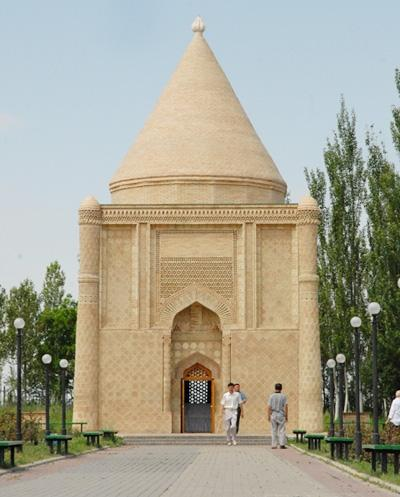
Taraz, located in southern Kazakhstan, is one of Central Asia’s oldest cities, known for its Silk Road history, archaeological sites, cultural landmarks, and traditional heritage. Visitors travel to Taraz to explore historic monuments, local culture, and the surrounding landscapes of the Zhambyl region. Understanding Kazakhstan’s cannabis laws is important before visiting.
As of 2026, cannabis remains illegal for recreational use in Taraz and throughout Kazakhstan. Possession, use, cultivation, production, sale, and trafficking of cannabis are prohibited and may result in legal consequences. These laws apply to residents, foreign visitors, and international travelers.
This guide explains cannabis laws in Taraz, including recreational restrictions, medical cannabis considerations, CBD rules, legal risks, and practical travel advice for tourists.
Quick Answer
Recreational cannabis is illegal in Taraz. Tourists cannot legally buy, possess, or use cannabis for recreational purposes.
Visitors should avoid carrying cannabis products, attempting to purchase illegal cannabis, or transporting cannabis across Kazakhstan’s borders.
Quick Facts
| Category | Status |
|---|---|
| Recreational Cannabis | Illegal |
| Possession | Restricted; penalties may apply |
| Public Consumption | Illegal |
| Medical Cannabis | No general tourist-access medical cannabis program |
| CBD Products | Restricted; verify before travel |
| Cultivation | Illegal without authorization |
| Sale / Trafficking | Serious criminal offence |
Understanding Cannabis Laws in Taraz
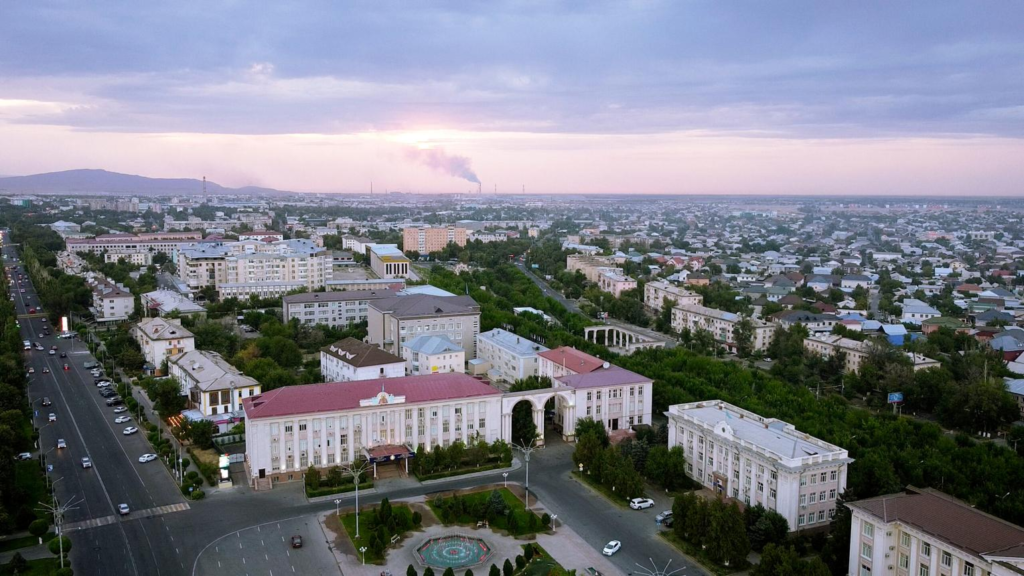
Kazakhstan maintains strict controls over cannabis and other controlled substances. Unauthorized possession, use, cultivation, production, distribution, and trafficking may lead to legal penalties.
Taraz follows national Kazakhstan drug regulations. Tourists do not receive special exemptions from local laws, and foreign visitors can face legal consequences for drug-related offences.
Medical Cannabis in Kazakhstan
Kazakhstan does not operate a broad medical cannabis system comparable to countries with established prescription cannabis programs.
Travelers who use cannabis-related medicines should seek official guidance before travelling. A prescription from another country does not automatically authorize bringing cannabis products into Kazakhstan.
CBD Products
Travelers should exercise caution with CBD and hemp-derived products when entering Kazakhstan. Regulations may depend on ingredients, THC content, and product classification.
Visitors should verify whether CBD oils, supplements, cosmetics, or hemp-derived products are permitted before bringing them into the country.
Tourist Reality
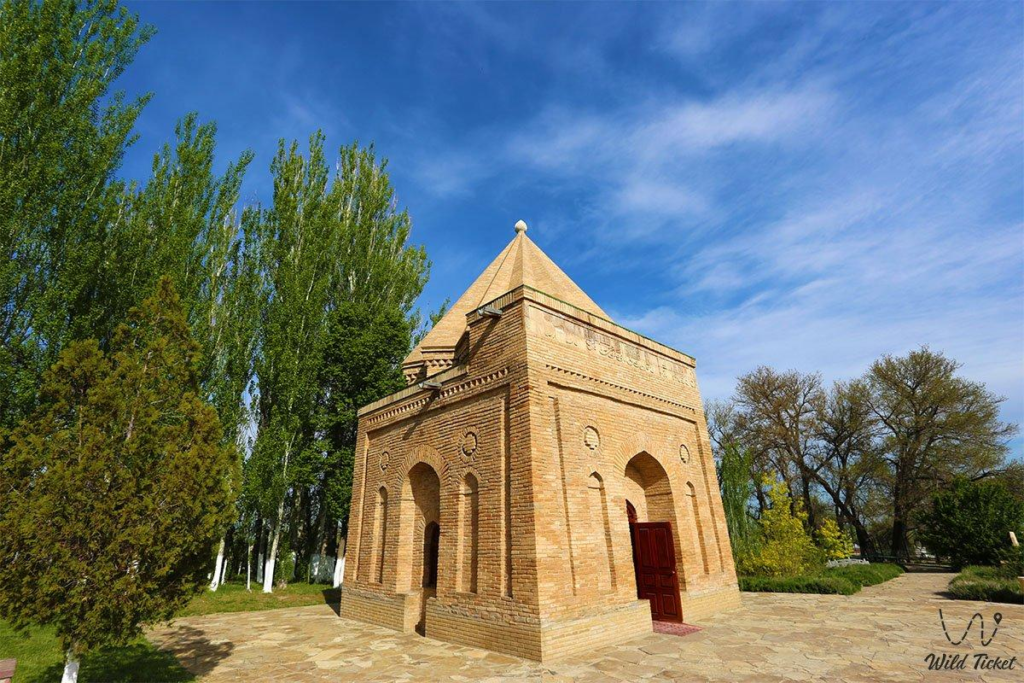
Taraz is known for ancient Silk Road history, archaeological heritage, traditional culture, and regional landscapes—not cannabis tourism.
Visitors can explore attractions such as the Aisha Bibi Mausoleum, Babaji Khatun Mausoleum, historical sites, local markets, and cultural landmarks while respecting Kazakhstan’s laws.
Travel Safety Advice
- Do not attempt to purchase recreational cannabis.
- Do not carry cannabis products through airports or border crossings.
- Check medication requirements before travelling with any cannabis-related products.
- Respect Kazakhstan’s laws and local customs.
- Confirm current entry and legal requirements with official authorities before travelling.
Common Misconceptions
- “Tourists have different cannabis rules in Kazakhstan.”
False. Visitors must follow Kazakhstan’s laws. - “Small amounts are always tolerated.”
False. Cannabis possession may result in legal consequences. - “CBD products are automatically allowed.”
False. Cannabis-derived products may be restricted. - “Cannabis laws are the same across Central Asia.”
False. Each country has its own regulations.
Local Culture
Taraz offers visitors a connection to Central Asian history through ancient monuments, traditional crafts, cuisine, and Silk Road heritage. Respecting local laws helps ensure a safe and enjoyable journey.
Frequently Asked Questions
Is cannabis legal in Taraz?
No. Recreational cannabis remains illegal in Taraz and throughout Kazakhstan.
Can tourists legally buy cannabis in Taraz?
No. There is no legal recreational cannabis market.
Is medical cannabis available?
Kazakhstan does not provide a general tourist-access medical cannabis system.
Can tourists bring cannabis into Kazakhstan?
No. Importing cannabis products without authorization can result in legal consequences.
Are CBD products allowed?
Travelers should verify CBD product rules before arrival because cannabis-derived products may create legal risks.
Sources & References
- Kazakhstan government legal authorities
- Kazakhstan customs and border authorities
- Kazakhstan health and regulatory authorities
- United Nations Office on Drugs and Crime (UNODC)
- International Narcotics Control Board (INCB)
Third pack in and still consistent. Real talk that's what I look for. Too many places fall off after the first order.
lowkey didnt think it would land that fast. carts hit clean no burnt hits or nothing. good looks bro
Traveling through Houston for a few days and needed something reliable. These guys handled it with no stress. Appreciated the professionalism honestly.
Was staying with my cousin in Miami and he put me on. Glad he did cause the flower was fresh and the whole process was smooth. Might order again before I fly out.
Fast, easy, done. Prices reasonable and the stash was fresh.
bro this my go to now fr. carts been hitting every time no clogs nothing. slide back thru every couple weeks
ngl the pack came a day late but they gave me a discount code for the trouble which was decent of them. flower was still fresh when it landed so no real complaints. communication was the main thing that stood out honestly, they didn't ghost me like some other spots do
Was down in Miami for a birthday trip and needed a plug last minute. My cousin put me on and I'm glad she did. Everything went smooth from ordering to delivery.
my guy hooked it up fr. ordered late at night thinking imma hear back tomorrow but nah they replied within the hour