Travel Guide to Cannabis Laws in Nijmegen (2026)
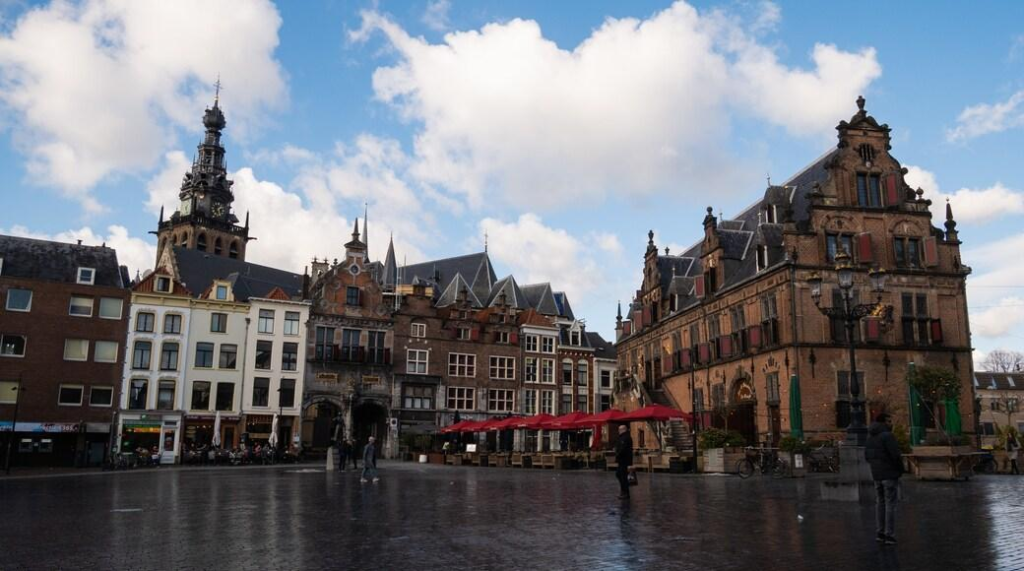
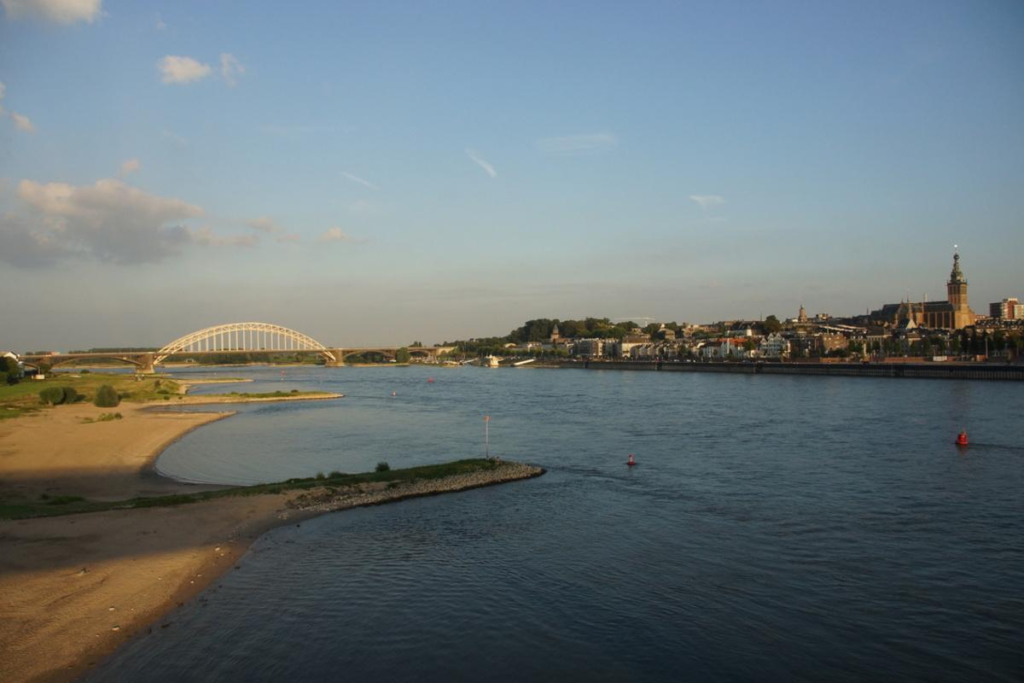
Nijmegen, one of the oldest cities in the Netherlands, is known for its vibrant student life, historic architecture, and beautiful riverfront along the Waal. As a hub for culture, festivals, and outdoor activities, Nijmegen attracts tourists year-round. Understanding cannabis laws is important for visitors, as the Netherlands has a distinctive cannabis policy that balances tolerance with legal regulation.
As of 2026, recreational cannabis is tolerated in licensed establishments known as “coffeeshops.” Tourists can purchase small amounts for personal use, but strict rules apply regarding quantity, age limits, and public consumption. Medical cannabis is available through authorized pharmacies, while CBD products are legal if they comply with THC regulations.
This guide provides a comprehensive overview of cannabis laws in Nijmegen, including recreational use, medical cannabis, CBD regulations, legal restrictions, safety tips, and travel advice for tourists.
Quick Answer
Recreational cannabis is tolerated in Nijmegen only in licensed coffeeshops. Tourists can buy small quantities for personal use but must adhere to local laws. Medical cannabis is available via prescription, and CBD products are legal under EU and Dutch regulations.
Quick Facts
| Category | Status |
|---|---|
| Recreational Cannabis | Legal in licensed coffeeshops; restricted to small amounts |
| Possession | Up to 5 grams per person tolerated |
| Public Consumption | Illegal outside designated areas or coffeeshops |
| Medical Cannabis | Available via authorized prescription |
| CBD Products | Legal if THC < 0.2% |
| Cultivation | Illegal for recreational purposes; small personal cultivation tolerated in practice |
| Sale / Trafficking | Outside licensed establishments is illegal |
Cannabis Laws in Nijmegen
Nijmegen follows Dutch national cannabis policy, which tolerates recreational cannabis in regulated coffeeshops. Tourists must comply with the following rules:
- Only buy from licensed coffeeshops.
- Maximum personal purchase: 5 grams per day.
- Public consumption outside designated areas is prohibited.
- Driving under the influence of cannabis is illegal.
- Possession or sale outside regulated channels remains a criminal offence.
Medical Cannabis in Nijmegen
Medical cannabis is available through authorized pharmacies. Patients require a prescription from a registered physician. Tourists with medical cannabis prescriptions from other countries should verify legal requirements before attempting to access medical cannabis in Nijmegen.
CBD and Cannabis Products
CBD products are widely available and legal if THC content does not exceed 0.2%. Tourists should purchase from reputable suppliers and verify THC levels to comply with Dutch and EU regulations.
Tourist Reality
Nijmegen is a cultural, historical, and university city. Cannabis tourism exists but is confined to licensed coffeeshops. Visitors should enjoy the city’s festivals, museums, and scenic riverfront while respecting cannabis laws and local customs.
Travel Safety Advice
- Purchase cannabis only from licensed coffeeshops.
- Do not consume in public spaces outside allowed areas.
- Keep purchases within the legal 5-gram limit.
- Do not attempt to buy cannabis from street dealers.
- Use medical cannabis only with a valid prescription.
Common Misconceptions
- “Cannabis is fully legal everywhere in the Netherlands.” False. It is only tolerated in licensed coffeeshops.
- “Tourists can buy unlimited amounts.” False. The maximum tolerated personal purchase is 5 grams per day.
- “CBD products are unrestricted.” False. THC must not exceed 0.2%.
- “Public consumption is allowed everywhere.” False. Cannabis must be consumed in designated areas or coffeeshops.
Local Culture
Nijmegen is renowned for its historical buildings, annual Four Days Marches festival, lively student culture, and scenic riverfront. Tourists can enjoy cultural sites, local cuisine, and outdoor activities while complying with local cannabis laws.
Frequently Asked Questions
Can tourists legally buy cannabis in Nijmegen?
Yes, but only in licensed coffeeshops, up to 5 grams per day.
Is cannabis legal in Nijmegen?
Recreational cannabis is tolerated in licensed coffeeshops but remains illegal elsewhere.
Is medical cannabis available?
Yes, through authorized pharmacies with a valid prescription.
Can tourists bring cannabis into Nijmegen?
No. Importing cannabis is illegal and subject to criminal penalties.
Are CBD products legal?
Yes, if THC content is below 0.2% and compliant with Dutch/EU regulations.
Sources & References
- Dutch Opium Act
- Government of the Netherlands – Cannabis Policy
- European Monitoring Centre for Drugs and Drug Addiction (EMCDDA)
- United Nations Office on Drugs and Crime (UNODC)
- Municipality of Nijmegen – Tourist Information