Cannabis Laws in Rotterdam (2026): What Tourists Need to Know
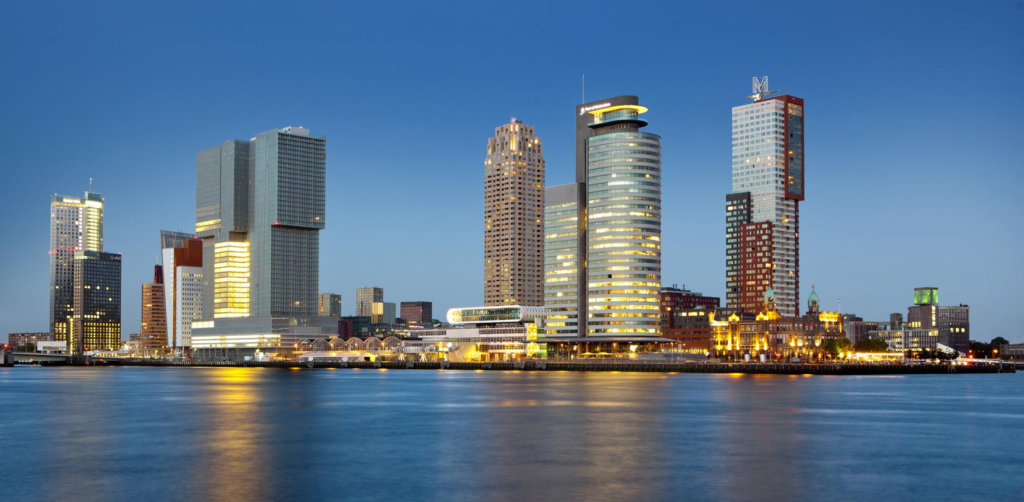
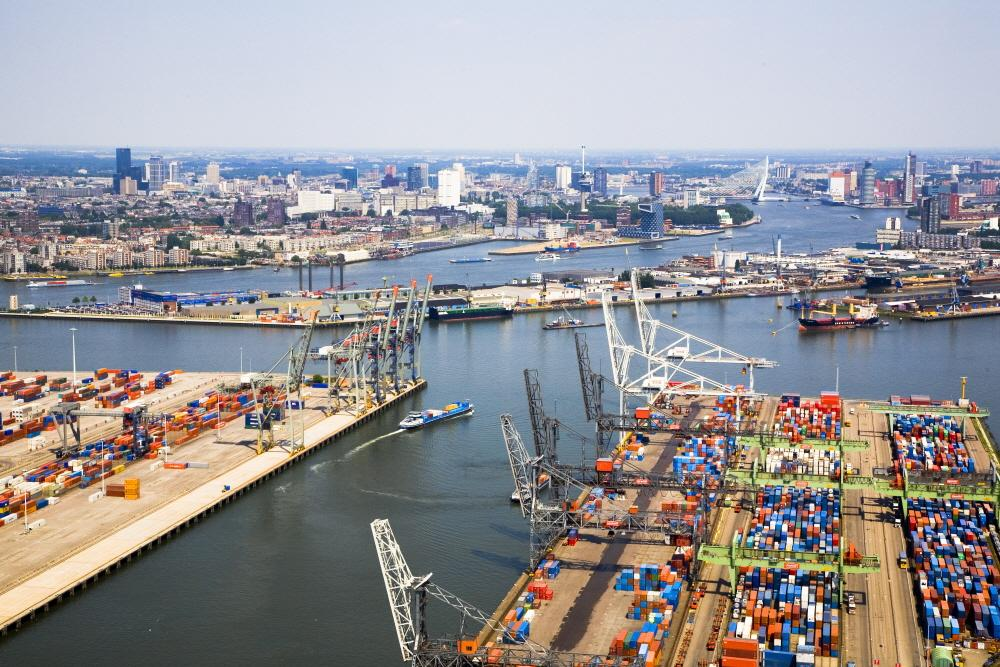
Rotterdam is one of the Netherlands’ largest and most international cities, known for its modern architecture, maritime heritage, museums, nightlife, food scene, and one of the world’s busiest ports. Like Amsterdam and other Dutch cities, Rotterdam has a unique approach to cannabis regulation based on tolerance policies rather than full legalisation. Understanding the rules is important for visitors because Dutch cannabis policy has specific limits and restrictions.
This guide explains cannabis laws in Rotterdam in 2026, including coffeeshop rules, recreational cannabis restrictions, medical cannabis access, tourist considerations, legal risks, and practical travel advice.
Quick Answer
Cannabis is not fully legal in Rotterdam or the Netherlands, but possession and sale of small quantities through licensed coffeeshops are tolerated under Dutch policy. Tourists can generally purchase cannabis from licensed coffeeshops in Rotterdam, subject to local rules and identification requirements.
Visitors must not carry cannabis across international borders, sell cannabis, purchase from illegal dealers, or assume Dutch tolerance rules apply outside the Netherlands.
Quick Facts
| Category | Status |
|---|---|
| Recreational Cannabis | Tolerated under strict conditions |
| Coffeeshop Sales | Permitted through licensed establishments |
| Possession | Small personal amounts tolerated |
| Public Consumption | Restricted in some areas |
| Medical Cannabis | Available through prescription |
| International Transport | Illegal without authorisation |
Destination Overview
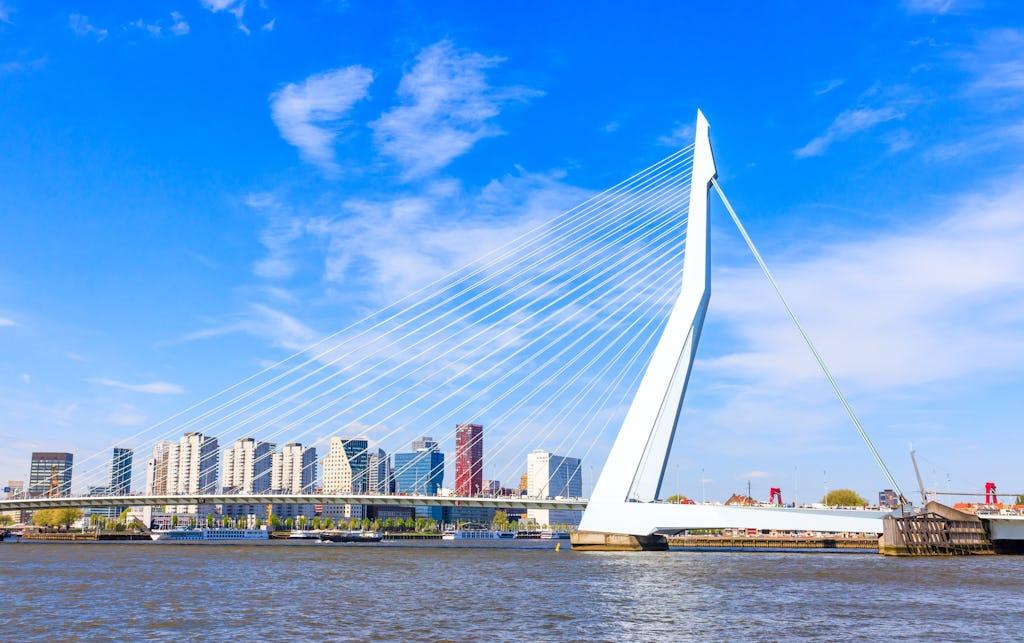
Rotterdam is located in South Holland and is famous for its innovative skyline, Erasmus Bridge, harbour, cultural institutions, and diverse neighbourhoods. The city attracts millions of visitors for architecture, business, festivals, shopping, and urban experiences.
Cannabis rules apply throughout Rotterdam, including coffeeshops, hotels, restaurants, nightlife areas, public spaces, transport hubs, and private accommodation. Visitors are subject to Dutch law.
Legal Environment
The Netherlands follows a tolerance policy known as gedoogbeleid, under which the sale of small quantities of cannabis in licensed coffeeshops is tolerated under specific conditions. This does not mean cannabis is completely legal.
Coffeeshops must follow government rules, including restrictions on advertising, age requirements, maximum purchase quantities, and prohibition of sales to minors.
Municipal authorities may also introduce local restrictions regarding where cannabis may be consumed or how coffeeshops operate.
Coffeeshops in Rotterdam
Rotterdam has licensed coffeeshops where adults can purchase cannabis products under Dutch tolerance rules. Visitors should use only authorised establishments and avoid illegal street sellers.
Customers are generally required to be at least 18 years old and may need valid identification. Rules can vary depending on local enforcement and establishment policies.
Medical Cannabis in Rotterdam
Medical cannabis is available in the Netherlands through regulated healthcare channels. Patients may receive cannabis medicines when prescribed by an authorised healthcare professional.
Travellers carrying medical cannabis should check Dutch entry requirements and carry appropriate documentation. International transport of cannabis medicines remains regulated.
CBD and Cannabis Products
CBD products are regulated separately from cannabis containing higher levels of THC. Visitors should check product rules carefully before travelling with CBD oils, supplements, or cannabis-derived products.
Products that are legal in another country may not automatically be permitted when crossing Dutch borders or travelling onward to another country.
Tourist Reality
Rotterdam is not a cannabis-free city, but it is also not a place where all cannabis activity is unrestricted. The Dutch system relies on controlled tolerance rather than complete legalisation.
Visitors should avoid street dealers, unlicensed sellers, and transporting cannabis outside the Netherlands, where different laws apply.
Local Culture
Rotterdam is known for its multicultural communities, contemporary design, maritime traditions, museums, food markets, and creative industries. Visitors should respect local rules, public behaviour standards, and neighbourhood expectations.
Health & Safety Advice
- Purchase cannabis only from licensed coffeeshops.
- Carry identification when visiting coffeeshops.
- Do not transport cannabis across international borders.
- Avoid illegal street sellers.
- Follow local consumption restrictions.
Common Misconceptions
- Cannabis is fully legal in the Netherlands — false; it is tolerated under strict conditions.
- You can take cannabis home after visiting Rotterdam — false; border transport is illegal.
- All cannabis products are permitted everywhere — false; rules vary by jurisdiction.
- Tourists can ignore local restrictions — false; Dutch law applies to visitors.
What Travelers Should Know Before Visiting
Rotterdam offers a regulated cannabis experience alongside its architecture, culture, food, and maritime attractions. Understanding Dutch cannabis rules helps visitors enjoy the city while avoiding unnecessary legal problems.
Frequently Asked Questions
Is cannabis legal in Rotterdam?
Cannabis is tolerated through licensed coffeeshops under Dutch policy, but it is not fully legal.
Can tourists buy cannabis in Rotterdam?
Yes, visitors may generally purchase cannabis from licensed coffeeshops if they meet age and identification requirements.
Can tourists take cannabis from Rotterdam to another country?
No. Carrying cannabis across international borders is illegal without specific authorisation.
Is medical cannabis available in Rotterdam?
Yes. Medical cannabis is available through regulated prescription systems.
Sources & References
- Dutch government cannabis policy information
- Netherlands Office of Medicinal Cannabis
- Dutch public health guidance
- European drug-control information
- United Nations Office on Drugs and Crime (UNODC)
The stash I grabbed was fresh and trimmed nice. No extra leaves or nonsense. Straight quality.
I’ve tried a few different spots before this. These buds were definitely better than what I was getting. Customer support answered my questions without attitude.
Not gonna lie, I was skeptical at first. But the carts were on point and tasted clean. Delivery moved quicker than expected too.
Bro I didn’t expect it to land that quick fr. The pack was loud as soon as I cracked it open. Good looks for keeping everything smooth and easy.
Been rocking with them for maybe 5 or 6 orders now and the consistency is what keep me coming back. Some spots be hot and cold but their flower stay in that top shelf range. Only thing I'd say is sometimes stock runs low on the strains I want but that's minor.
Ordered a zip of the OG and it came through exactly like they described. Nose on it is loud, cure was on point, and honestly the price beat what I been paying locally.
Been waiting on a spot like this to pop up. Ordered a zip and it was heavy, no shake at the bottom. Real deal.
Carts hit smooth, no burnt taste, no leaks. Prices was decent too. Can't ask for much more than that.
Communication is what stood out to me. Got quick responses every time I hit them up. Buds were fresh and trimmed nice too.
Bruh the pack was heat fr. Been searching for a plug that don't play and I think I finally found one. Gonna order again this weekend for sure.
Aight so I was hesitant bout the whole crypto thing cuz I ain't never used it before but they got a guide on the site that made it simple. Pack came through discreet, sealed, and the strain was exactly what I ordered no switch ups. Locked in fr
ordered around midnight didn't think nothing would move till morning. woke up to it already shipped. crazy