
Visiting Al Qurayyat? Here’s What You Should Know About Cannabis Laws
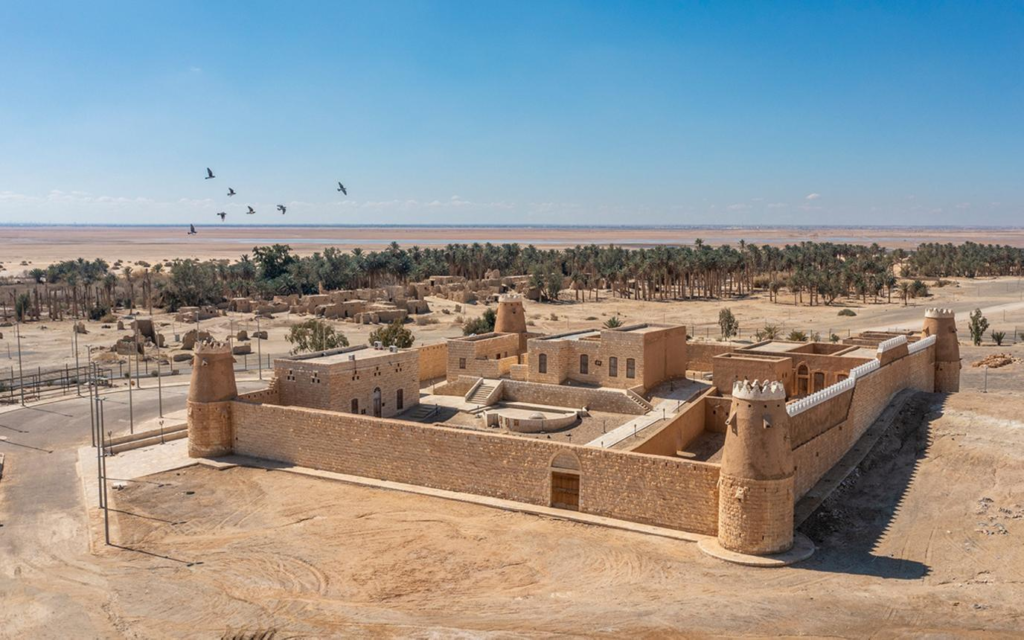
Al Qurayyat, a city in northern Saudi Arabia near the Jordan border, is known for its desert landscapes, historical sites, and quiet cultural charm. Before visiting, tourists must understand that Saudi Arabia has extremely strict drug laws, and cannabis is classified as an illegal narcotic.
This guide outlines cannabis regulations in Al Qurayyat as of 2026, including recreational and medical cannabis, CBD rules, possession penalties, and travel safety tips for tourists.
Quick Answer
Recreational cannabis is strictly illegal in Al Qurayyat and throughout Saudi Arabia. Possession, cultivation, sale, or trafficking can lead to severe penalties, including long prison sentences or even capital punishment for large-scale trafficking. Medical cannabis programs are extremely limited, and CBD products are highly restricted.
Quick Facts
| Category | Status |
|---|---|
| Recreational Cannabis | Illegal |
| Possession | Illegal; severe criminal penalties |
| Public Consumption | Illegal |
| Medical Cannabis | Extremely limited, tightly controlled |
| CBD Products | Highly restricted or illegal |
| Cultivation | Illegal |
| Sale / Trafficking | Severe criminal penalties, including death for large-scale trafficking |
Understanding Cannabis Laws in Al Qurayyat

Saudi Arabia enforces zero-tolerance drug policies under national anti-narcotics laws. Both citizens and tourists are subject to the same strict regulations. Any involvement with cannabis—possession, sale, or consumption—is a serious criminal offence.
Medical cannabis access is almost nonexistent for tourists. Importing cannabis or CBD products without explicit government authorization is illegal.
Medical Cannabis
Access to medical cannabis is extremely restricted and subject to government authorization. Foreign prescriptions are generally not accepted, and tourists should not attempt to bring medical cannabis into Saudi Arabia.
Tourist Reality
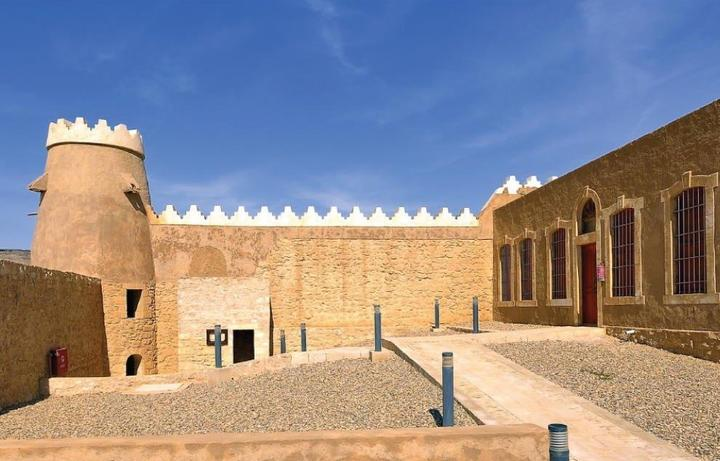
Al Qurayyat is a cultural and historical destination, not a hub for cannabis tourism. Visitors can enjoy desert landscapes, historical architecture, and local culture while complying with Saudi drug laws.
Travel Safety Advice
- Do not buy, possess, or use cannabis in any form.
- Do not bring CBD products or medical cannabis into the country without prior approval.
- Respect local laws, religious customs, and cultural norms at all times.
- Be aware that drug-related offenses are punished severely in Saudi Arabia.
- Focus on legal tourism activities, cultural experiences, and sightseeing.
Common Misconceptions
- Cannabis is tolerated for tourists — false; enforcement is strict.
- Small amounts are ignored — false; any possession can result in severe penalties.
- Foreign medical prescriptions are valid — false; authorization is required.
- CBD products are legal — false; most forms are prohibited.
Local Culture
Al Qurayyat offers visitors desert scenery, historical landmarks, and local hospitality. Tourists should focus on cultural exploration, nature, and historical experiences while fully respecting Saudi Arabia’s drug laws and social norms.
Frequently Asked Questions
Is cannabis legal in Al Qurayyat?
No. Recreational cannabis is strictly illegal.
Can tourists legally buy cannabis?
No. There is no legal market, and attempting to purchase cannabis is a criminal offence.
Is medical cannabis available?
Access is extremely limited and requires government authorization.
Can CBD products be brought into Saudi Arabia?
No. CBD products are highly restricted or illegal.
What are the penalties for possession or trafficking?
Severe penalties, including imprisonment, fines, or death sentences for large-scale trafficking, apply.
Sources & References
- Saudi Arabia Anti-Narcotics Laws
- Royal Saudi Police – Narcotics Division
- Saudi Ministry of Interior – Drug Regulations
- United Nations Office on Drugs and Crime (UNODC)
- International Narcotics Control Board (INCB)
Traveled from Chicago to see family and my usual guy wasn't around. Took a chance on these dudes based on some reviews. No regrets, buds were fresh and delivery was quick.
Ordered a zip of the Purple Punch and it came correct. Trichomes everywhere, cured right, burned clean in the paper. Been buying online for years and this one earned a spot in the rotation.
I've been a customer for close to a year now and the consistency is what keeps me coming back. Not every batch is a home run but the majority have been quality, and when something was off one time they actually made it right without any hassle. That kind of accountability is rare.
Communication was on point from the jump. They kept me updated the whole way. That builds trust for real.
Bought a pack of disposables for a lil road trip. Lasted longer than I thought and flavor stayed clean the whole time. Worth every dollar.
Communication is what stood out to me. Got quick responses every time I hit them up. Buds were fresh and trimmed nice too.
pack came thru quick. flower smelled loud when i opened the bag. def gonna slide back thru
ngl the pack came a day late but they gave me a discount code for the trouble which was decent of them. flower was still fresh when it landed so no real complaints. communication was the main thing that stood out honestly, they didn't ghost me like some other spots do