

South Korea is a popular travel destination known for its modern cities, traditional culture, cuisine, technology, mountains, temples, and historic sites. Visitors travel to destinations such as Seoul, Busan, Jeju Island, Gyeongju, and Incheon for business, tourism, and cultural experiences. Understanding South Korean cannabis laws is essential before visiting.
As of 2026, cannabis remains strictly controlled in South Korea. Recreational cannabis is illegal, and possession, use, cultivation, production, sale, and importation can result in serious legal consequences. South Korea also regulates cannabis-related substances beyond its borders, meaning citizens and residents may face legal issues for cannabis use abroad.
This guide explains cannabis laws in South Korea, including recreational restrictions, medical cannabis considerations, CBD rules, legal risks, and practical travel advice for tourists.
Quick Answer
Recreational cannabis is illegal in South Korea. Tourists cannot legally buy, possess, or use cannabis for recreational purposes.
Visitors should avoid carrying cannabis products into South Korea, purchasing cannabis from illegal sources, or assuming laws from other countries apply while travelling.
Quick Facts
| Category | Status |
|---|---|
| Recreational Cannabis | Illegal |
| Possession | Illegal; serious penalties may apply |
| Public Consumption | Illegal |
| Medical Cannabis | Limited access under strict regulation |
| CBD Products | Restricted; verify before travel |
| Cultivation | Illegal without authorization |
| Sale / Trafficking | Serious criminal offence |
Understanding Cannabis Laws in South Korea
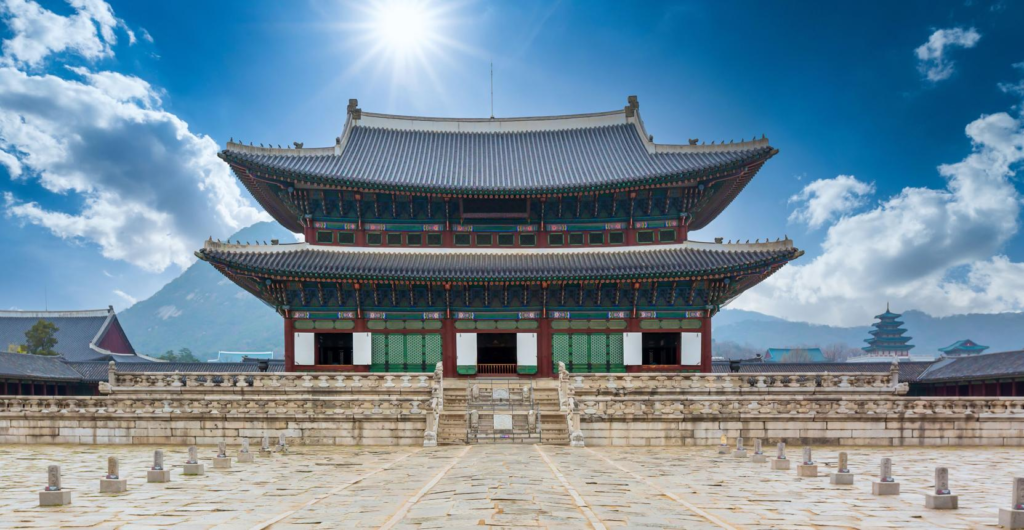
South Korea has some of the strictest cannabis regulations in Asia. Cannabis is classified as a controlled substance, and unauthorized possession, use, cultivation, distribution, and importation may lead to criminal penalties.
These laws apply to tourists, foreign residents, and Korean citizens. Visitors should not assume that cannabis legality in another country provides protection while in South Korea.
Medical Cannabis in South Korea
South Korea introduced a limited medical cannabis framework allowing certain approved cannabis-derived medicines under strict government controls.
Access is highly regulated, and only specific approved products may be permitted through authorized channels. Travelers who use cannabis-based medicines should confirm requirements before arrival.
CBD Products
CBD and hemp-derived products require caution when travelling to South Korea. Product legality depends on ingredients, THC content, and South Korean regulations.
Visitors should verify whether CBD oils, supplements, cosmetics, or hemp products are permitted before bringing them into the country.
Tourist Reality
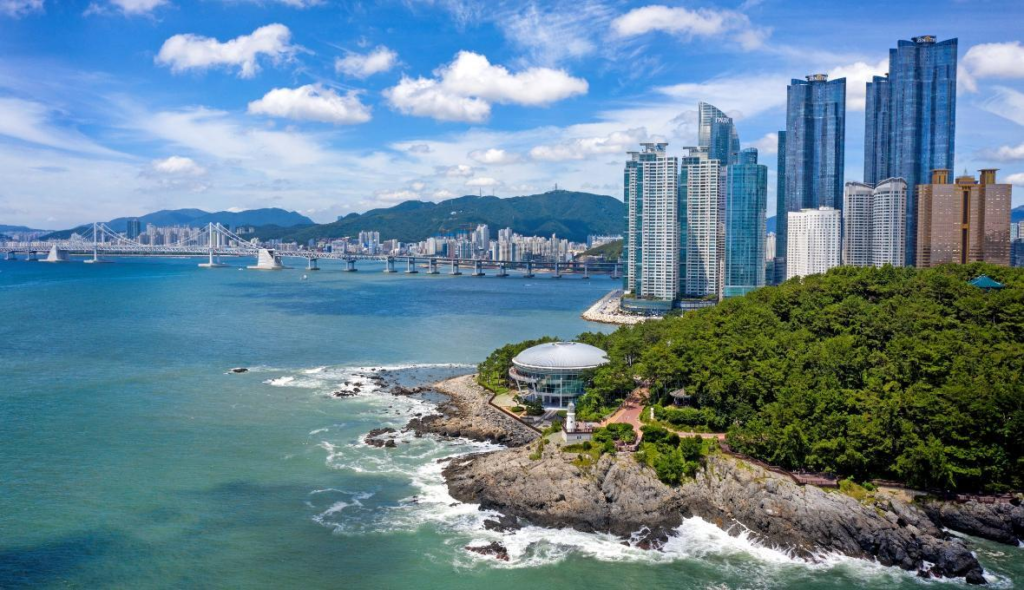
South Korea is known for K-culture, food, history, technology, nature, and traditional experiences—not cannabis tourism.
Visitors can explore attractions such as Seoul’s palaces, Busan’s coastline, Jeju’s natural landscapes, Gyeongju’s historic sites, and Korean cultural districts while respecting local laws.
Travel Safety Advice
- Do not attempt to purchase recreational cannabis.
- Do not carry cannabis products through South Korean airports.
- Check medication rules before travelling with cannabis-related medicines.
- Respect South Korean laws and customs.
- Confirm current requirements with official authorities before travelling.
Common Misconceptions
- “Cannabis laws are relaxed because some countries have legalized it.”
False. South Korea maintains strict cannabis controls. - “Tourists are exempt from local cannabis laws.”
False. Visitors must follow South Korean law. - “Medical cannabis means recreational cannabis is accepted.”
False. Medical access is limited and regulated. - “CBD products are automatically legal.”
False. Product rules must be checked before travel.
Local Culture
South Korea offers visitors a combination of ancient traditions, modern cities, cuisine, entertainment, technology, and natural beauty. Respecting local laws helps ensure a safe and enjoyable journey.
Frequently Asked Questions
Is cannabis legal in South Korea?
No. Recreational cannabis remains illegal in South Korea.
Can tourists legally buy cannabis in South Korea?
No. There is no legal recreational cannabis market.
Is medical cannabis available?
Only limited approved medical cannabis products may be available under strict regulations.
Can tourists bring cannabis into South Korea?
No. Importing cannabis products without authorization can result in serious legal consequences.
Are CBD products allowed?
Travelers should verify CBD product rules before arrival because cannabis-related products may be restricted.
Sources & References
- South Korean government regulatory authorities
- Korea Customs Service
- South Korean Ministry of Food and Drug Safety (MFDS)
- United Nations Office on Drugs and Crime (UNODC)
- International Narcotics Control Board (INCB)
Been rocking with them for maybe 5 or 6 orders now and the consistency is what keep me coming back. Some spots be hot and cold but their flower stay in that top shelf range. Only thing I'd say is sometimes stock runs low on the strains I want but that's minor.
Ordered a zip of the OG and it came through exactly like they described. Nose on it is loud, cure was on point, and honestly the price beat what I been paying locally.
Not gonna lie, I was skeptical at first. But the carts were on point and tasted clean. Delivery moved quicker than expected too.
Bro I didn’t expect it to land that quick fr. The pack was loud as soon as I cracked it open. Good looks for keeping everything smooth and easy.
The stash I grabbed was fresh and trimmed nice. No extra leaves or nonsense. Straight quality.
I’ve tried a few different spots before this. These buds were definitely better than what I was getting. Customer support answered my questions without attitude.
I had a few concerns before placing the order and their team answered every question without rushing me. That kind of patience means a lot when you're new to this. The pack arrived on time and matched what I paid for.
pack came thru quick. flower smelled loud when i opened the bag. def gonna slide back thru
Communication is what stood out to me. Got quick responses every time I hit them up. Buds were fresh and trimmed nice too.
Grabbed some edibles for a lil trip with my girl. They were dosed right, tasted good, didn't feel sketchy. Would order those again.
I wasn't sure at first cause the crypto payment was new territory for me. Team walked me through it with no attitude. Package showed up right on schedule.