
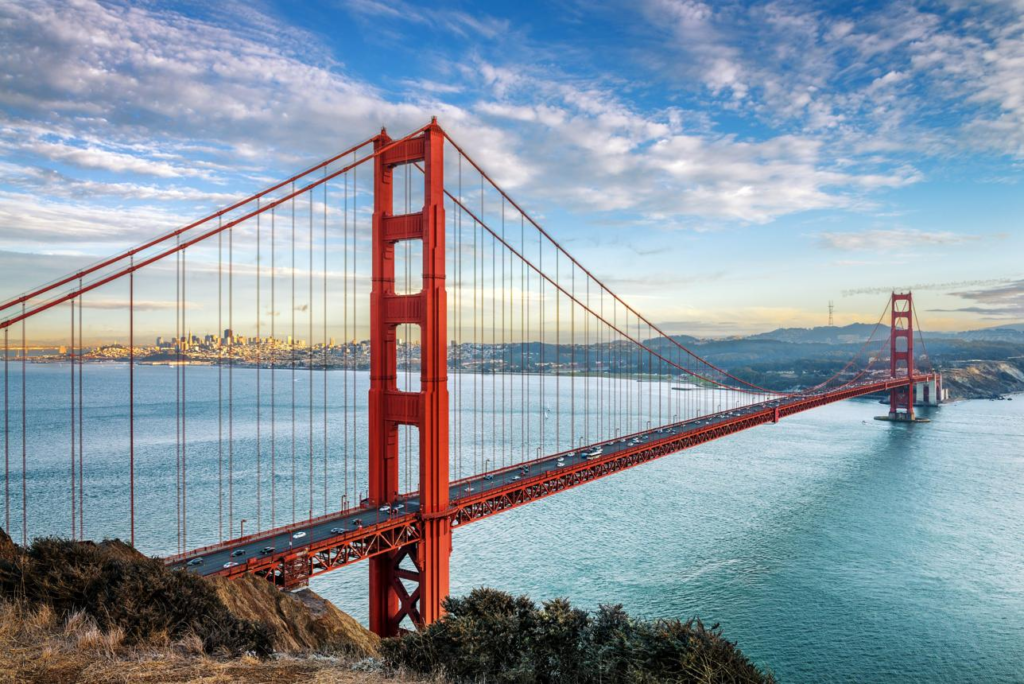
San Francisco, California, is one of the United States’ most recognisable destinations, known for its iconic bridges, neighbourhoods, technology industry, cultural landmarks, restaurants, and coastal scenery. Visitors travel to the city for attractions such as the Golden Gate Bridge, Fisherman’s Wharf, museums, parks, and historic districts. Understanding California cannabis laws is important before visiting.
As of 2026, adult-use cannabis is legal in California under a regulated state system. However, cannabis remains subject to restrictions involving age limits, licensed purchasing, public consumption, driving, workplace policies, federal property, and transportation across state or international borders.
This guide explains cannabis laws in San Francisco, including recreational regulations, medical cannabis considerations, tourist travel risks, public-use restrictions, and practical advice for visitors.
Quick Answer
Adults aged 21 and older may legally purchase cannabis from licensed California retailers. However, cannabis cannot be consumed everywhere, and transporting cannabis outside California may violate state, federal, or international laws.
Tourists should follow California regulations and avoid carrying cannabis across borders or into federally controlled locations.
Quick Facts
| Category | Status |
|---|---|
| Recreational Cannabis | Legal for adults 21+ under California regulations |
| Medical Cannabis | Legal through regulated access |
| Public Consumption | Restricted |
| Driving Under the Influence | Illegal |
| Federal Property | Subject to federal restrictions |
| Transport Across State Borders | Illegal |
Understanding Cannabis Laws in San Francisco
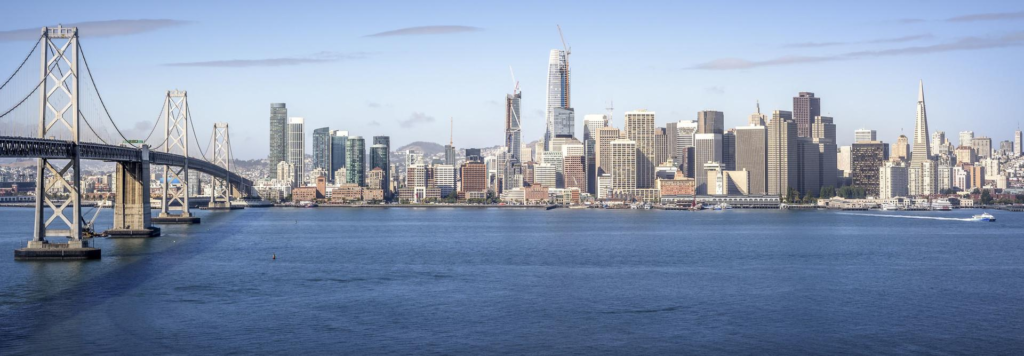
San Francisco follows California cannabis regulations. The state permits regulated adult cannabis use while maintaining rules about licensed businesses, possession, consumption locations, and transportation.
Visitors are subject to California law while in San Francisco. Cannabis rules from another state or country do not automatically apply.
Legal Cannabis Access in California
California regulates cannabis businesses through licensed retailers. Adults who meet the legal age requirement may purchase regulated cannabis products through approved channels.
Visitors should use only licensed businesses and understand local rules regarding possession, use, and consumption areas.
Medical Cannabis in California
California maintains a regulated medical cannabis system for qualifying patients. Medical cannabis access is separate from adult-use cannabis regulations.
Visitors using cannabis-based medicines should check California requirements and understand that medical authorization may not apply outside the state.
Public Consumption Rules
Legal possession does not mean cannabis can be consumed anywhere in San Francisco.
- Public cannabis consumption is restricted.
- Consumption may be prohibited in streets, parks, beaches, workplaces, and many public areas.
- Hotels and rental properties may have their own policies.
- Private property owners may prohibit cannabis use.
Travelling With Cannabis
California cannabis laws do not allow unrestricted transportation across borders.
- Do not take cannabis across state lines.
- Do not bring cannabis products through airports for interstate or international travel.
- Do not carry cannabis onto federal property.
- Check rules before travelling with cannabis-based medicines.
Common Misconceptions
“Cannabis is legal everywhere in the United States.”
False. Cannabis laws vary by state, and federal restrictions remain.
“Tourists can consume cannabis anywhere in San Francisco.”
False. Public-use restrictions apply.
“Legal cannabis can be taken home on a flight.”
False. Transport across state or international borders can create legal issues.
“California legalization removes all restrictions.”
False. Age limits, location rules, and transportation restrictions still apply.
Tourist Experience in San Francisco
San Francisco offers visitors a combination of coastal scenery, cultural attractions, historic neighbourhoods, and world-famous landmarks.
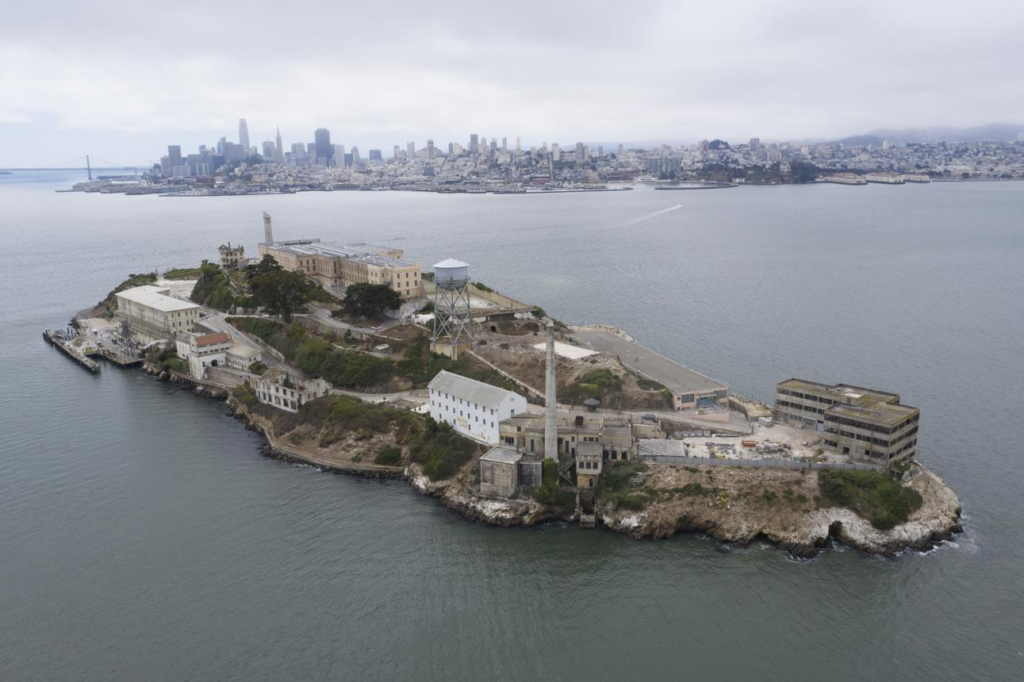
Popular experiences include the Golden Gate Bridge, Alcatraz Island, Fisherman’s Wharf, Golden Gate Park, museums, Chinatown, waterfront areas, and nearby wine and coastal regions.
Travel Safety Advice
- Follow California cannabis regulations.
- Use only licensed cannabis businesses.
- Avoid public consumption.
- Never drive while impaired.
- Do not cross borders with cannabis products.
Frequently Asked Questions
Is cannabis legal in San Francisco?
Yes. Adult-use cannabis is legal for people aged 21 and older under California regulations.
Can tourists buy cannabis in San Francisco?
Adults who meet California requirements may purchase cannabis through licensed retailers.
Can visitors use cannabis in public?
No. Public consumption restrictions apply.
Can tourists take cannabis home on a flight?
No. Cannabis should not be transported across state or international borders.
Is medical cannabis available?
Yes. California has a regulated medical cannabis system.
Sources & References
- California cannabis regulations
- California Department of Cannabis Control guidance
- San Francisco local regulations
- U.S. federal controlled substance guidance
- Transportation and border regulations
First timer here. They explained the crypto payment clearly and made it simple. Felt looked after the whole way.
Traveling through for work and didn’t know where to look. Took a chance here and it worked out fine. Edibles were fresh and not overly sweet, which I liked.
lowkey surprised how quick it moved. ordered monday had it wednesday. no complaints
Ordered some pre-rolls for the weekend and they did the job. Burned even and tasted good. Can’t complain.
Solid experience. Nothing crazy to add. Got what I paid for and it showed up when they said.
ordered around midnight didn't think nothing would move till morning. woke up to it already shipped. crazy
bro these edibles knocked me OUT. took two gummies thinking I was tough, woke up 9 hours later like what year is it 😭 just kidding no emojis but yeah they hit hard, be careful
Easy ordering, simple checkout, no weird steps. The gas was straight and did what it needed to do. I’ll be back.
pack was heavy, no complaints