
Cannabis Laws in Korea (2026): What Tourists Need to Know
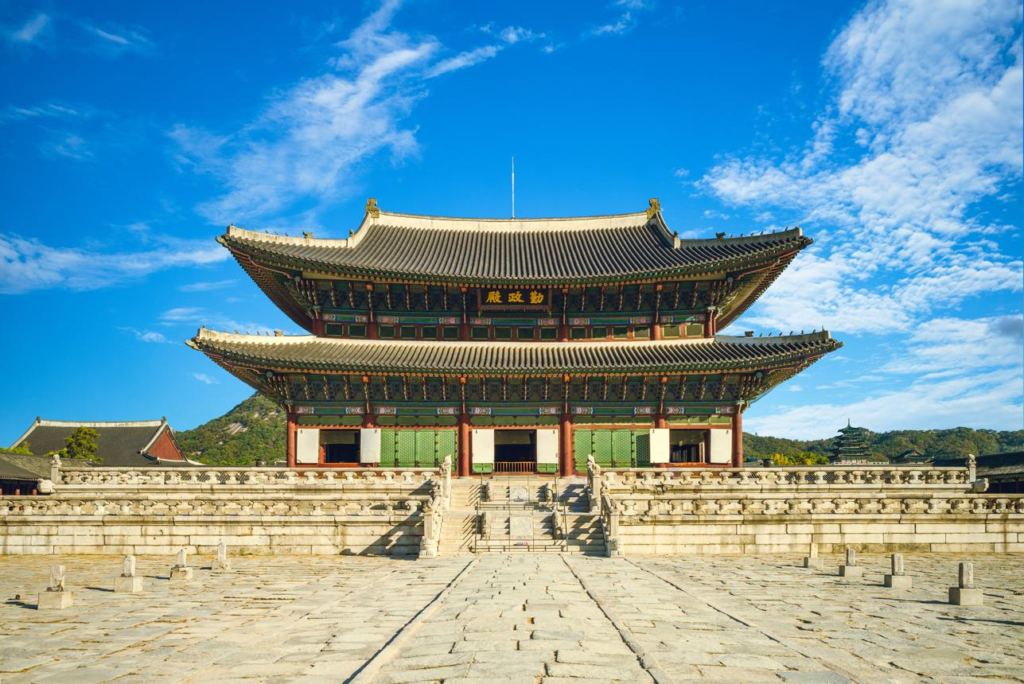
South Korea, known for its dynamic cities, K-pop culture, historic palaces, and stunning landscapes, enforces some of the strictest cannabis laws in the world. Visitors must understand that recreational cannabis is illegal, and the country applies a zero-tolerance approach to possession, use, and trafficking.
This guide provides a comprehensive overview of South Korea’s cannabis laws in 2026, including recreational restrictions, medical cannabis regulations, CBD product rules, cultural expectations, and travel safety advice for tourists.
Quick Answer
Recreational cannabis is strictly illegal in South Korea. Possession, sale, cultivation, and public consumption are criminal offences. Medical cannabis access is limited and tightly regulated, and CBD products are subject to strict import rules.
Quick Facts
| Category | Status |
|---|---|
| Recreational Cannabis | Illegal |
| Possession | Illegal; criminal penalties apply |
| Public Consumption | Illegal |
| Medical Cannabis | Highly restricted; requires government approval |
| CBD Products | Strictly regulated; import verification required |
| Cultivation | Illegal |
| Sale / Trafficking | Severe criminal offence |
Understanding Cannabis Laws in South Korea
South Korea prohibits recreational cannabis use. Violations can lead to fines, imprisonment, deportation, or criminal records. Tourists are not exempt from enforcement and should avoid all cannabis-related activities.
The country maintains strict border and airport controls; attempting to bring cannabis or unverified CBD products into South Korea is illegal and may result in severe penalties.
Medical Cannabis
Medical cannabis in South Korea is available only under tightly controlled government programs for specific conditions. Foreign prescriptions do not automatically grant legal access. Tourists must check official regulations before travel.
Licensed products must be obtained through authorized channels and any unauthorized possession is punishable by law.
CBD Products
CBD and hemp-derived products are subject to strict import and use regulations. Tourists should verify legality before carrying any products, including oils, supplements, or cosmetics containing CBD.
Tourist Reality
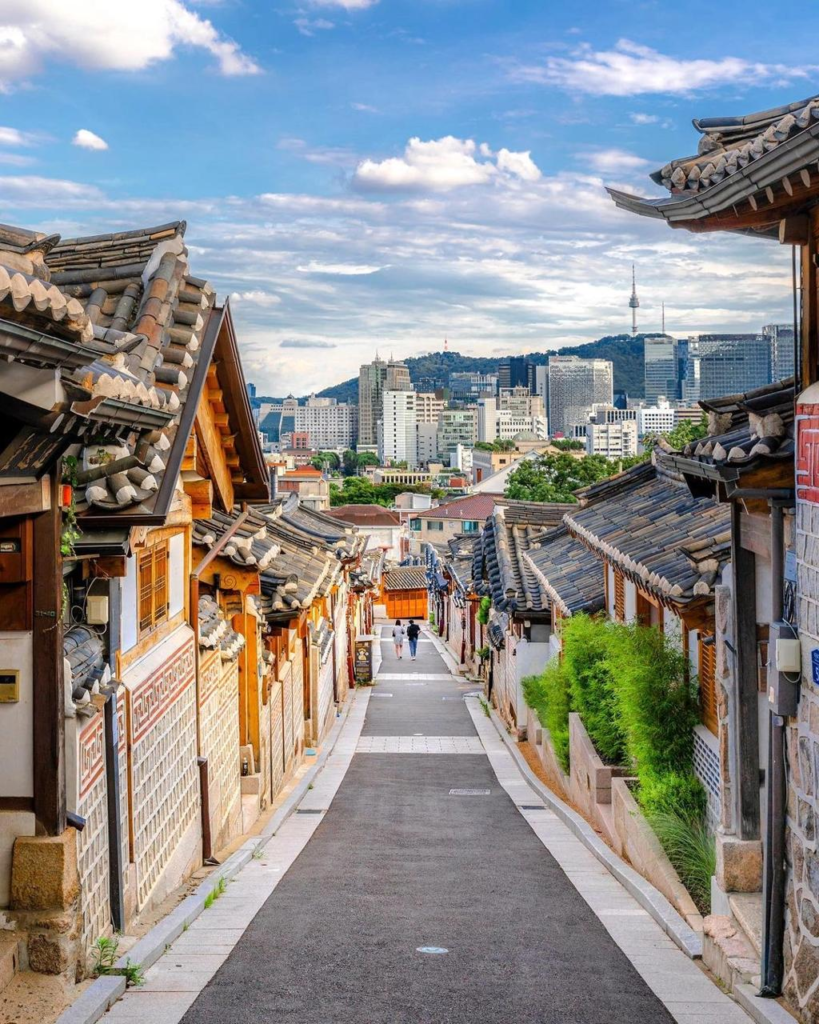
South Korea is a destination for culture, history, K-pop, technology, hiking, and cuisine—not cannabis tourism. There are no legal dispensaries or cannabis cafés.
Travel Safety Advice
- Do not attempt to buy or use recreational cannabis.
- Carry only legally prescribed medicines with proper documentation.
- Check CBD product regulations before traveling.
- Respect South Korean law and local cultural norms.
- Understand the consequences of violating drug laws, including fines, detention, and deportation.
Common Misconceptions
- Cannabis is tolerated for tourists — false; strict enforcement applies.
- Small possession is safe — false; criminal penalties apply regardless of amount.
- Medical prescriptions from other countries are valid — false; verification is required.
- CBD products are automatically legal — false; import restrictions apply.
Local Culture
South Korea emphasizes respect for social norms, traditions, and public order. Visitors can enjoy historic palaces, street markets, natural parks, culinary tours, and cultural experiences while adhering to legal requirements.
Frequently Asked Questions
Is cannabis legal in South Korea?
No. Recreational cannabis is strictly prohibited.
Can tourists legally buy cannabis?
No. There are no legal recreational cannabis markets.
Is medical cannabis available for tourists?
Access is highly restricted and requires government authorization.
Can tourists bring cannabis into South Korea?
No. Importing cannabis or unverified CBD products is illegal.
Are CBD products legal for travelers?
Only if verified and compliant with strict import regulations.
Sources & References
- South Korea Ministry of Food and Drug Safety (MFDS)
- Korean National Police Agency
- Korea Customs Service
- United Nations Office on Drugs and Crime (UNODC)
- International Narcotics Control Board (INCB)