
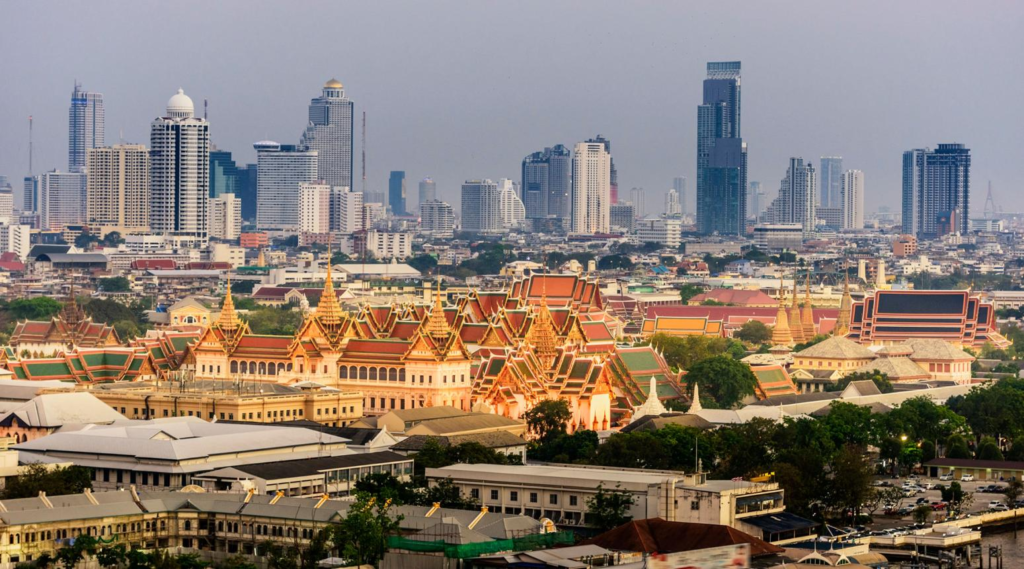
Thailand is one of Southeast Asia’s most visited destinations, known for its beaches, temples, cuisine, islands, nightlife, and cultural heritage. Since cannabis regulations changed in recent years, many travellers are interested in understanding the current legal situation before visiting.
As of 2026, cannabis laws in Thailand remain regulated and continue to evolve. Cannabis is not an unrestricted recreational substance, and visitors should understand the rules relating to possession, use, medical access, products, and international travel.
This guide explains cannabis laws in Thailand, including medical cannabis regulations, tourist responsibilities, CBD rules, public-use restrictions, border risks, and safe travel advice.
Quick Answer
Cannabis regulations in Thailand are controlled by national law. Tourists should not assume cannabis is freely permitted and should follow current Thai requirements regarding use, possession, and cannabis-related products.
Thai law applies to both residents and visitors, and violations may result in legal penalties.
Quick Facts
| Category | Status |
|---|---|
| Recreational Cannabis | Restricted and regulated |
| Medical Cannabis | Available through regulated channels |
| Public Consumption | Restricted |
| Cannabis Products | Subject to Thai regulations |
| CBD Products | Controlled according to product requirements |
| International Transport | Strictly controlled |
Understanding Cannabis Laws in Thailand

Thailand’s cannabis framework separates medical use, regulated products, personal activities, and prohibited conduct. Legal rules may change as authorities update regulations and enforcement policies.
Visitors should check current official guidance before travelling because cannabis rules in Thailand are not identical to those in countries with established recreational cannabis markets.
Medical Cannabis in Thailand
Thailand has a regulated medical cannabis system. Access to cannabis-based medical products is subject to approved healthcare processes and legal requirements.
Travellers using cannabis-related medicines should confirm Thai import rules before arrival. A prescription from another country may not automatically allow entry with cannabis products.
Cannabis Products and CBD Regulations

Cannabis-derived products, including CBD and hemp products, may be regulated according to ingredients, THC levels, product category, and intended use.
Visitors should verify that any cannabis-related products they carry or use comply with Thai requirements.
Public Use and Tourist Responsibilities
Visitors should avoid public cannabis consumption and understand that tourist areas, hotels, workplaces, and public spaces may have additional restrictions.
Responsible travel includes respecting Thai laws, local customs, and community standards.
Travelling With Cannabis in Thailand
Thailand maintains strict controls on international movement of cannabis products. Rules within Thailand do not mean cannabis can be freely taken across borders.
- Do not bring cannabis products into Thailand without proper authorization.
- Do not transport cannabis internationally.
- Do not carry cannabis products through airports or border checkpoints.
- Check current regulations before travelling with medical products.
Common Misconceptions
“Cannabis is completely legal in Thailand.”
False. Cannabis remains regulated and subject to restrictions.
“Tourists can use cannabis anywhere.”
False. Public-use restrictions and local rules apply.
“Foreign medical approval automatically applies in Thailand.”
False. Thai requirements must be followed.
“Cannabis purchased in Thailand can be taken home.”
False. International transport may violate Thai and foreign laws.
Popular Tourist Destinations and Cannabis Awareness
Thailand offers diverse travel experiences, including Bangkok’s cultural attractions, Phuket’s beaches, Chiang Mai’s temples and mountains, Krabi’s coastal landscapes, and island destinations.
Visitors should enjoy Thailand’s tourism offerings while staying informed about local regulations and respecting the country’s laws.
Travel Safety Advice
- Check current Thai cannabis regulations before travelling.
- Avoid public consumption.
- Do not cross borders with cannabis products.
- Verify medical documentation requirements.
- Respect Thai laws and cultural expectations.
Frequently Asked Questions
Is cannabis legal in Thailand in 2026?
Cannabis remains regulated in Thailand, with rules covering medical access, products, possession, and use.
Can tourists freely use cannabis in Thailand?
No. Visitors must follow Thai regulations and restrictions.
Is medical cannabis available in Thailand?
Yes. Medical cannabis is available through regulated pathways.
Can visitors bring cannabis into Thailand?
Travellers should not bring cannabis products into Thailand without proper authorization.
Can cannabis products be taken out of Thailand?
International transport may violate Thai and other countries’ laws.
Sources & References
- Thai government cannabis regulations
- Thai Food and Drug Administration guidance
- Thai customs regulations
- Controlled substance regulations
- International Narcotics Control Board (INCB)
I don’t usually leave reviews but this deserved one. Communication stayed steady from start to finish. The pre-rolls burned smooth and even.
Was hesitant about doing the crypto thing but they made it painless. Support team walked me through and my order was confirmed within the hour. Buds came a day later, packaged real discreet.
Real talk this the second time I ordered and both times the flower been top shelf. Not that mid stuff other sites be sending. Paying with crypto took a lil getting used to but once you do it once it's easy.
I was passing through Vegas for a weekend and needed something reliable. Ordered in the morning and had it before dinner. Whole vibe was professional and I felt looked after.
Lowkey surprised how easy the whole process was. Ordered some disposables and they came through without any hassle. I appreciate quick responses, that matters to me.
Ordered a quarter of the Purple Punch and it came through fast. Buds were dense, cured right, and the smell was strong soon as I cracked the bag. No complaints.
Communication stayed solid from start to finish. I had to change my delivery address last minute and they handled it without any issues, no attitude, no extra fees. That kind of service is hard to find these days honestly.
I wasn’t expecting much, just needed something decent. Ended up getting some solid flower that smelled strong right out the bag. Smooth experience.
Communication was probably the thing that stood out most to me. I had an issue with my address and they fixed it same day without any attitude. Stash arrived two days later exactly like they said it would.
My guy really came through. Pack touched down fast and everything was sealed proper. 100% worth it.
Prices are fair and the carts hit clean. Didn’t have to chase anyone down for updates either. That alone makes me consider ordering again.
Carts been hitting lately, no clogs, no burnt taste, just clean pulls every time.
Third time ordering and they haven't missed yet. The Wedding Cake this round was sticky, smelled loud through the bag, and had me knocked out by like 10pm. Prices stay reasonable too which is why I keep coming back.
I had a small issue with my first order, one of the disposables wasn't hitting right. Reached out expecting the usual runaround but they replaced it within a couple days no questions asked. That kinda thing goes a long way with me.