

Dhaka, the capital of Bangladesh, is known for its history, cultural landmarks, rivers, markets, cuisine, and vibrant urban life. Visitors travel to Dhaka to experience Bangladeshi culture, heritage sites, business districts, and local traditions. Understanding Bangladesh cannabis laws is essential before visiting.
As of 2026, cannabis remains strictly controlled in Dhaka and throughout Bangladesh. Recreational cannabis is illegal, and possession, use, cultivation, production, sale, trafficking, and unauthorized importation can result in legal consequences. These laws apply to residents, tourists, and foreign visitors.
This guide explains cannabis laws in Dhaka, including legal restrictions, medical cannabis considerations, CBD rules, border risks, and practical travel advice for tourists.
Quick Answer
Cannabis is illegal for recreational use in Dhaka and throughout Bangladesh. Tourists should not buy, possess, use, or transport cannabis products while visiting.
Bangladesh applies strict drug-control regulations, and foreign visitors may face legal consequences for cannabis-related offences.
Quick Facts
| Category | Status |
|---|---|
| Recreational Cannabis | Illegal |
| Possession | Restricted; penalties may apply |
| Public Consumption | Illegal |
| Medical Cannabis | Not available as a general tourist-access programme |
| CBD Products | Restricted; verify before travel |
| Cultivation | Illegal without authorization |
| Trafficking / Importation | Serious criminal offence |
Understanding Cannabis Laws in Dhaka

Dhaka follows Bangladesh’s national drug-control laws. Cannabis possession, consumption, cultivation, distribution, trafficking, and unauthorized importation are prohibited.
Tourists are subject to Bangladeshi law. A foreign passport or visitor status does not provide an exemption from local drug regulations.
Medical Cannabis Considerations
Bangladesh does not operate a general medical cannabis system comparable to countries with regulated prescription cannabis programmes.
Travellers who use cannabis-based medicines should seek official guidance before travelling. A prescription from another country does not automatically authorize bringing cannabis medicines into Bangladesh.
CBD and Hemp Products
CBD and hemp-derived products may create legal risks when entering Bangladesh. Regulations can differ from those in other countries, and cannabis-derived ingredients may be restricted.
Visitors should confirm the legality of any CBD oils, supplements, cosmetics, or hemp products before travelling to Dhaka.
Tourist Reality
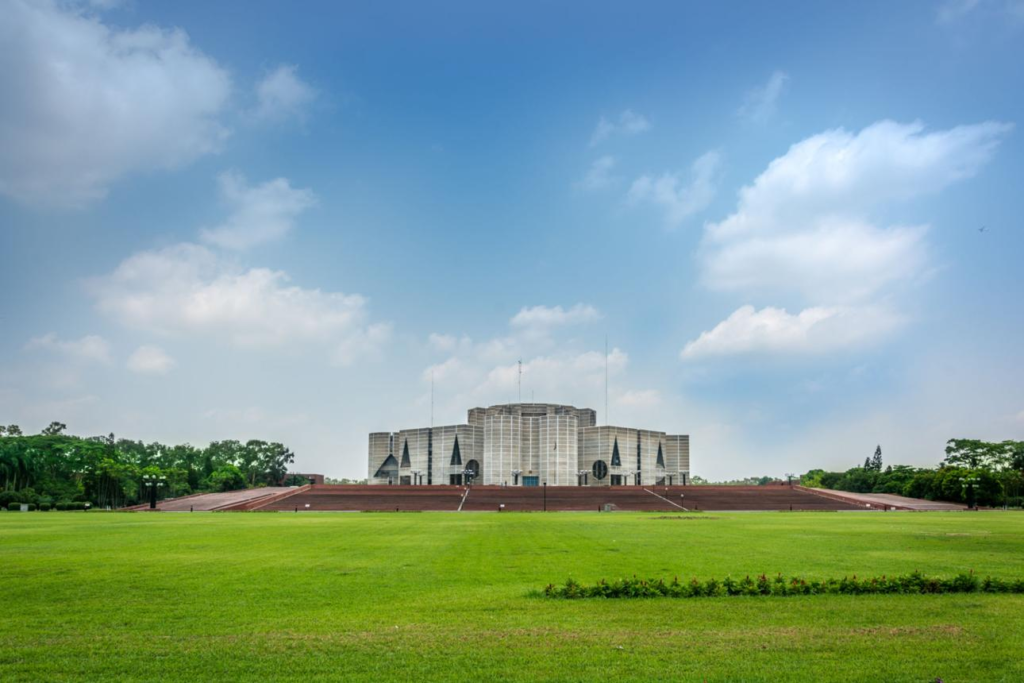
Dhaka is known for Bangladeshi culture, historical sites, cuisine, markets, architecture, and river life—not cannabis tourism.
Visitors can explore attractions such as Lalbagh Fort, the National Parliament complex, museums, markets, cultural events, and historic areas while respecting Bangladeshi laws.
Travel Safety Advice
- Do not attempt to purchase cannabis.
- Do not carry cannabis products through Bangladeshi airports or border crossings.
- Check regulations before travelling with any cannabis-related medicines.
- Respect Bangladeshi laws and local customs.
- Seek official guidance before bringing medication into Bangladesh.
Common Misconceptions
- “Cannabis laws are the same throughout South Asia.”
False. Each country has different drug laws and penalties. - “Tourists receive different cannabis treatment.”
False. Visitors are subject to Bangladeshi law. - “Traditional cannabis use means it is legal.”
False. Cultural history does not remove current legal restrictions. - “CBD products are automatically safe to bring.”
False. Cannabis-derived products may be restricted.
Local Culture
Dhaka offers visitors a combination of Bangladeshi history, food, art, commerce, and cultural experiences. Respecting local regulations helps ensure a safe and enjoyable journey.
Frequently Asked Questions
Is cannabis legal in Dhaka?
No. Cannabis is illegal in Dhaka and throughout Bangladesh.
Can tourists legally buy cannabis in Dhaka?
No. There is no legal recreational cannabis market.
Can visitors bring cannabis medicines into Bangladesh?
Travellers should obtain official guidance before bringing any cannabis-related medicine into the country.
Are CBD products allowed?
Visitors should verify CBD rules before travel because cannabis-derived products may be restricted.
What should tourists do if unsure about cannabis rules?
Consult official Bangladeshi authorities or diplomatic representatives before travelling.
Sources & References
- Bangladesh government legal authorities
- Bangladesh customs and border authorities
- Bangladesh health and regulatory authorities
- International drug-control guidance
- International Narcotics Control Board (INCB)
I appreciated how patient they were with my questions. Being a first time buyer I had a lot of them. Everything went how they described and the flower was fresh.
Not bad at all. The pre-rolls burned clean and the price was right. I'll probably grab a bigger order next time.
my guy came thru with the gas no cap. shipping was faster than i expected. good looks
Pricing was fair, buds were fresh, and delivery didn't take forever. Not much else to say. I'll be ordering again soon.
Was passing through for a conference and didn't know anybody in the city. Found the site, took a chance, and honestly the whole thing felt way less sketchy than I expected. Buds were fresh, dude who dropped it off was polite, and the price wasn't tourist tax either. Appreciate y'all.
bro this my go to now fr. carts been hitting every time no clogs nothing. slide back thru every couple weeks
Ain't gonna hype it up too much but the gas was legit. Delivery took like a day and a half. Fair prices.
Third pack in and still consistent. Real talk that's what I look for. Too many places fall off after the first order.
Not bad at all. The pre-rolls burn a little uneven but the flower inside is quality so I can't complain too much.
bro whoever picking these strains got taste fr. the purple punch had me sleep by 10pm lmao
Traveled from Chicago to see family and my usual guy wasn't around. Took a chance on these dudes based on some reviews. No regrets, buds were fresh and delivery was quick.
Really appreciated feeling like an actual customer instead of just a number. They followed up after delivery too. Product was fresh and hit as expected.
Communication was on point from the jump. They kept me updated the whole way. That builds trust for real.