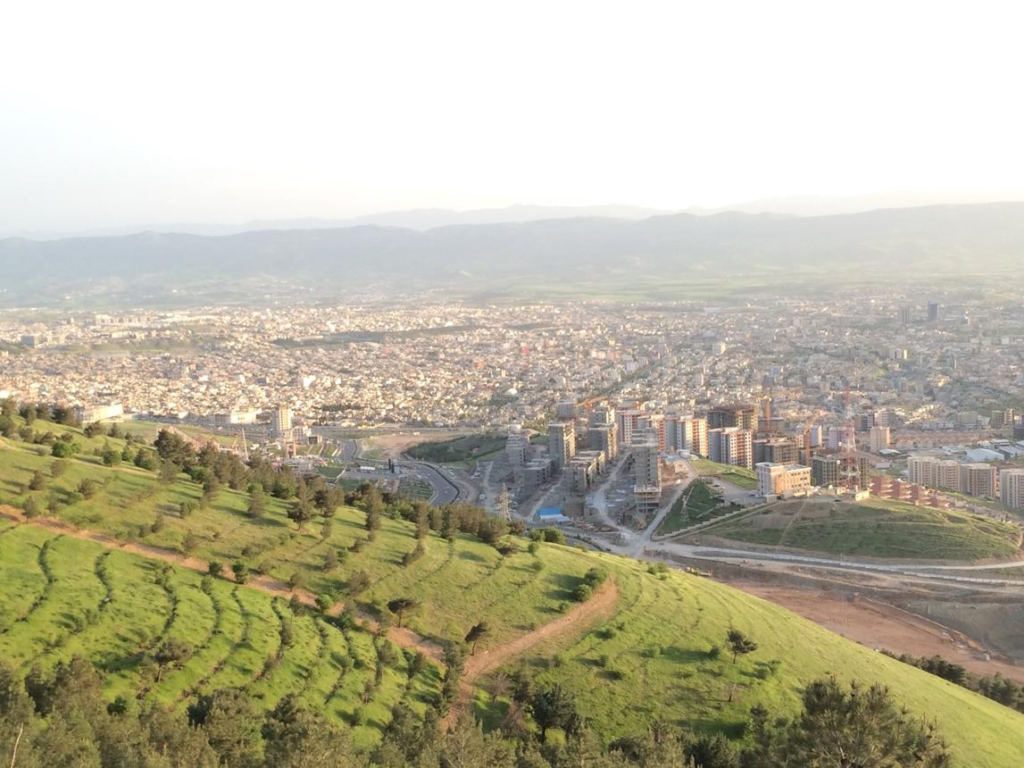
Sulaymaniyah, located in the Kurdistan Region of Iraq, is known for its mountain landscapes, cultural institutions, museums, poetry, cafés, and historic importance. Visitors travel to Sulaymaniyah for Kurdish culture, nature, hospitality, and regional tourism. Understanding cannabis laws is essential before visiting.
As of 2026, cannabis remains prohibited under applicable Iraqi and Kurdistan Region regulations. Recreational cannabis possession, use, cultivation, production, distribution, and trafficking are illegal and may result in legal consequences.
This guide explains cannabis laws relevant to visitors in Sulaymaniyah, including restrictions, medical cannabis considerations, CBD rules, border risks, and safe travel advice.
Quick Answer
Cannabis is illegal for recreational use in Sulaymaniyah. Visitors should not buy, possess, use, or transport cannabis products unless they have specific legal authorization.
Local drug laws apply to tourists as well as residents. Visitors must follow regulations in the Kurdistan Region of Iraq during their stay.
Quick Facts
| Category | Status |
|---|---|
| Recreational Cannabis | Illegal |
| Possession | Prohibited and subject to penalties |
| Public Consumption | Illegal |
| Medical Cannabis | Not available as a general medical cannabis programme |
| CBD Products | Subject to local regulations |
| International Transport | Strictly controlled |
Understanding Cannabis Laws in Sulaymaniyah
Sulaymaniyah follows the controlled-substance regulations applicable in the Kurdistan Region of Iraq. Unauthorised possession, use, cultivation, supply, and distribution of cannabis may lead to legal consequences.
Visitors should not assume that cannabis laws from other countries apply in Iraq. Tourist status does not provide an exemption from local law.
Medical Cannabis Considerations
The Kurdistan Region does not operate a broad medical cannabis system comparable to countries with regulated medical cannabis access.
Travellers carrying prescription medicines should verify entry requirements before arrival. A prescription issued abroad may not automatically permit possession of cannabis-related products.
CBD and Hemp Products
CBD and hemp-derived products may be restricted depending on THC content, ingredients, and product classification.
Visitors should confirm that CBD oils, supplements, cosmetics, or hemp products comply with local requirements before travelling.
Travelling With Cannabis
Border crossings, airports, and customs checkpoints maintain controls on prohibited substances. Bringing cannabis products into Iraq or transporting them internationally can create serious legal risks.
- Do not bring cannabis products into Iraq or the Kurdistan Region.
- Do not transport cannabis across international borders.
- Do not carry cannabis products through airports or customs checkpoints.
- Check medication requirements before travelling.
Common Misconceptions
“Cannabis rules are the same across the Middle East.”
False. Each country and region has its own controlled-substance regulations.
“Tourists have different cannabis rules.”
False. Visitors are subject to local laws.
“CBD products are automatically allowed.”
False. CBD and hemp products may be restricted.
“Small amounts cannot create legal problems.”
False. Cannabis-related offences may result in legal consequences.
Tourist Experience in Sulaymaniyah
Sulaymaniyah offers visitors a combination of Kurdish heritage, mountain scenery, arts, and cultural experiences.
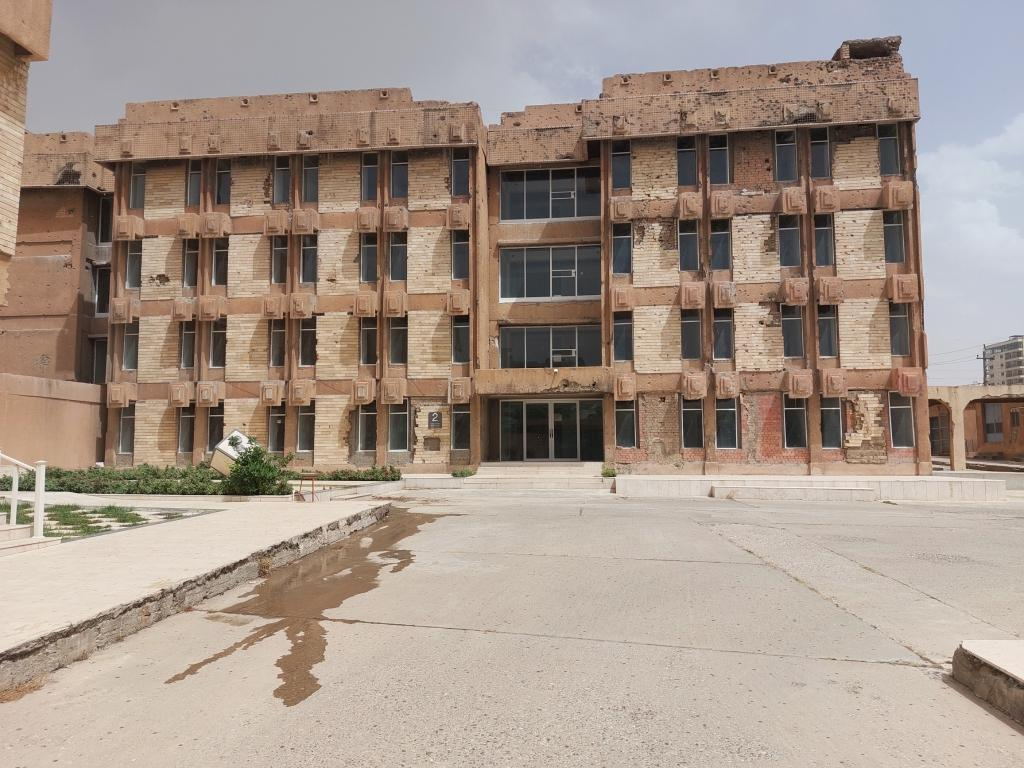
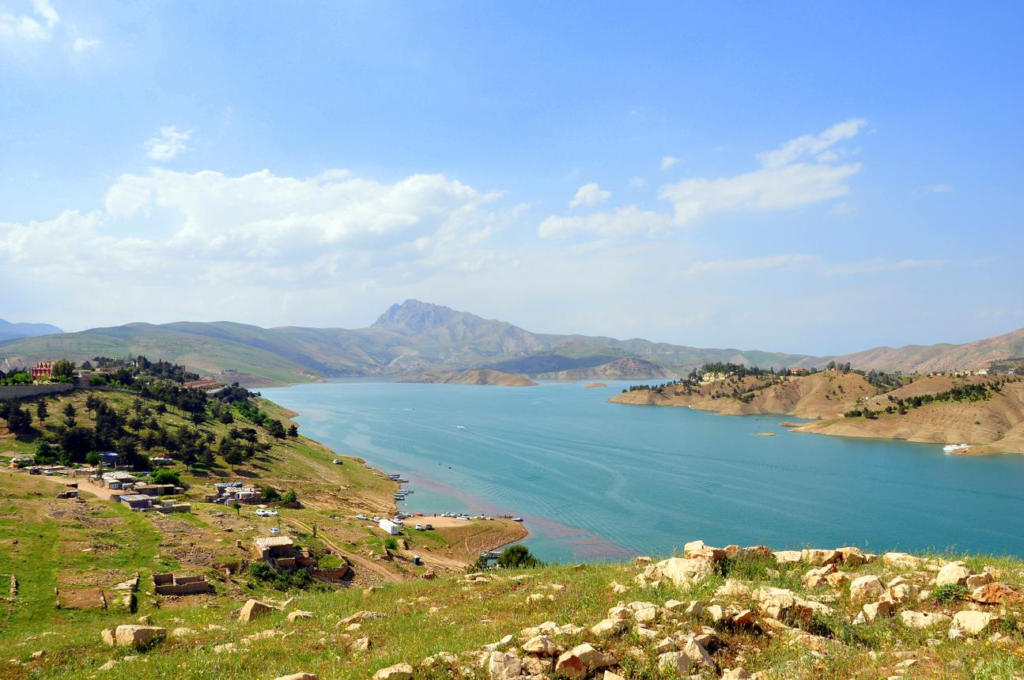
Popular attractions include the Amna Suraka Museum, Azmar Mountain viewpoints, Dukan Lake, local bazaars, cafés, galleries, and cultural centres.
Travel Safety Advice
- Learn local drug regulations before travelling.
- Avoid carrying cannabis products.
- Do not transport controlled substances internationally.
- Check medicine requirements before departure.
- Respect local laws and customs.
Frequently Asked Questions
Is cannabis legal in Sulaymaniyah?
No. Cannabis is prohibited for recreational use in Sulaymaniyah.
Can tourists legally buy cannabis in Sulaymaniyah?
No. There is no legal recreational cannabis retail market.
Is medical cannabis available in Sulaymaniyah?
There is no general medical cannabis programme comparable to regulated systems elsewhere.
Can visitors bring cannabis into the Kurdistan Region?
No. Travellers should not bring cannabis products without proper legal authorization.
Are CBD products allowed?
Visitors should verify current local requirements before travelling with CBD or hemp products.
Sources & References
- Iraqi controlled-substance regulations
- Kurdistan Region entry and customs guidance
- Regional health authorities
- International drug-control regulations
- International Narcotics Control Board (INCB)
Third time ordering and they haven't missed yet. The Wedding Cake this round was sticky, smelled loud through the bag, and had me knocked out by like 10pm. Prices stay reasonable too which is why I keep coming back.
lowkey these edibles snuck up on me. ate two thinking I was tough and ended up on the couch watching cartoons for 4 hours lmao. flavor was decent too, not that chemical taste you get from some brands
Placed my order Sunday afternoon and it was at my door Tuesday. Communication was steady throughout, someone actually replied when I asked about shipping instead of ghosting me like other spots do.
Carts been hitting lately, no clogs, no burnt taste, just clean pulls every time.
I was in Atlanta for a wedding and ran out of my usual stuff. Took a shot and glad I did. The pre-rolls were rolled tight and burned even the whole way down.
Been a repeat customer for a minute now. They stay consistent, and that’s what keeps me around. Fast delivery and real communication every time.
Only my second time buying online period. Everything was easier than I expected honestly. The pack showed up sealed and fresh.
bro the edibles knocked me OUT last night lol. ate two gummies thinking I was tough, woke up at noon fr
Second time ordering from them. Same quality, same speed, no drama. That consistency is what keeps me coming back honestly.
I had a lot of doubts going in cause I've been ripped off before online. These folks eased that pretty quick with how they communicated. My order arrived and everything matched what I paid for.
Communication was probably the thing that stood out most to me. I had an issue with my address and they fixed it same day without any attitude. Stash arrived two days later exactly like they said it would.
Ngl I almost didn't order cause the site was new to me. Ended up trusting my gut and it paid off. Everything showed up sealed and discreet.
third order in and im satisfied. same quality every time. thats what matters
I had a small issue with my first order, one of the disposables wasn't hitting right. Reached out expecting the usual runaround but they replaced it within a couple days no questions asked. That kinda thing goes a long way with me.
Third order in and they still locked in. I don't leave reviews often but these guys earned it. Communication been solid every single time.
pack was straight. delivery on point. no complaints
Ordered an eighth of the GMO and it did not disappoint. Smell was pungent, cure was on point, and it lasted me longer than I thought it would.
real talk I was on the fence about using crypto for the first time, felt sketchy to me. but the dude walking me through it was patient and didn't rush nothing. order landed two days later exactly like he said. lowkey earned my trust with that one