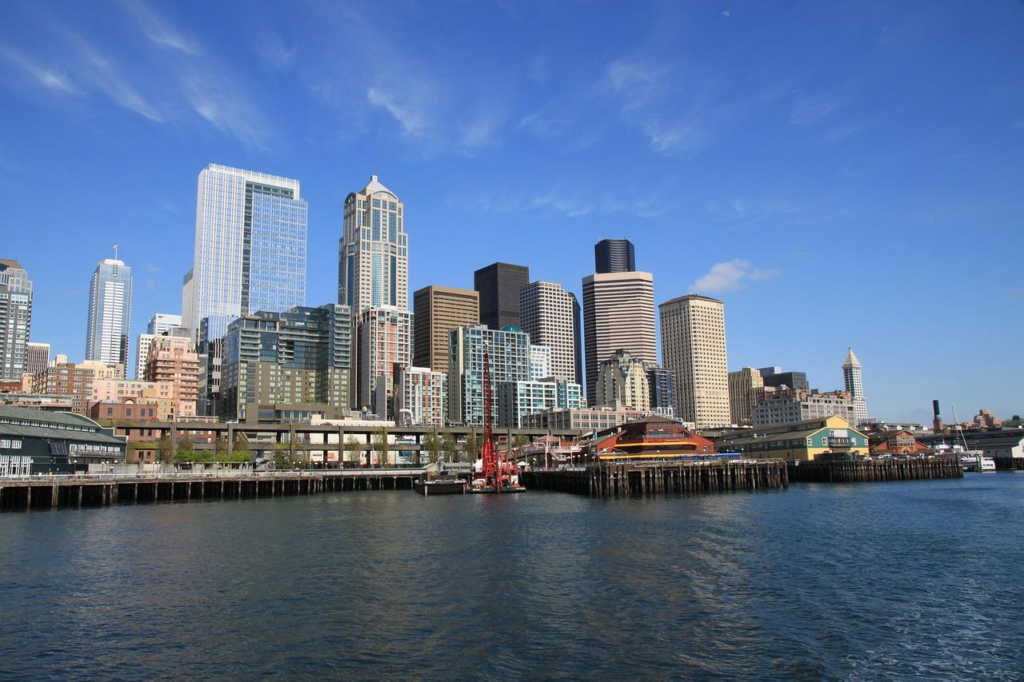
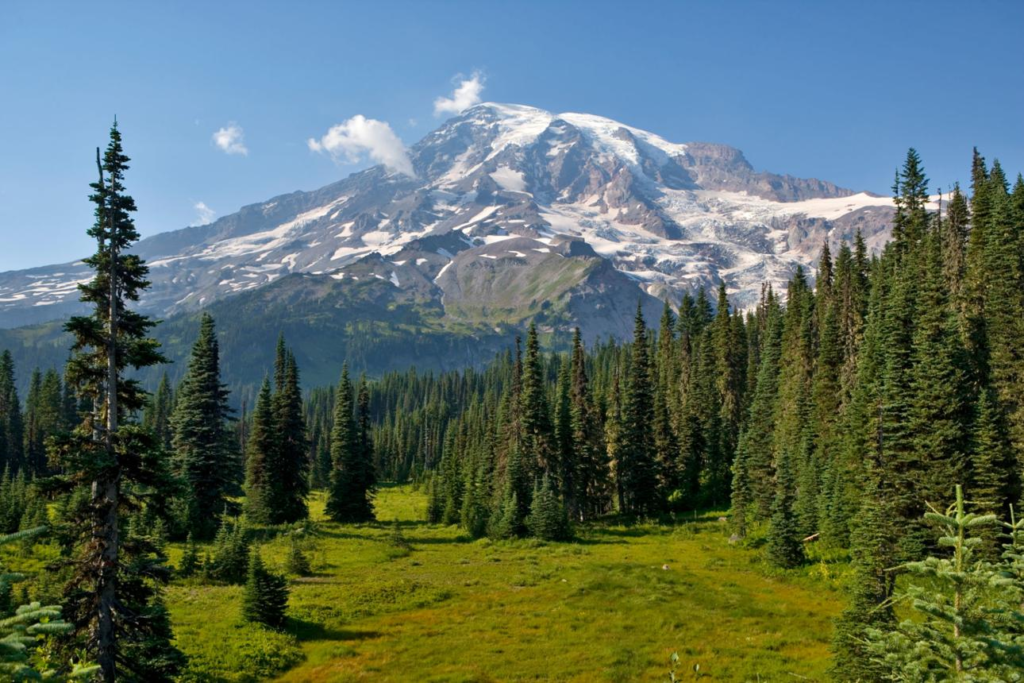
Washington State, located in the Pacific Northwest of the United States, is known for Seattle’s urban culture, Olympic National Park, Mount Rainier, coastal landscapes, forests, and diverse communities. Visitors travel to Washington for outdoor adventures, technology hubs, food culture, and scenic destinations. Understanding Washington cannabis laws is important before visiting.
As of 2026, recreational cannabis is legal for adults in Washington State under a regulated system. However, cannabis remains subject to restrictions involving age limits, licensed sales, public consumption, driving, employment rules, and transportation across state borders.
This guide explains cannabis laws in Washington, including recreational use, medical cannabis, CBD rules, tourist considerations, legal restrictions, and travel advice.
Quick Answer
Cannabis is legal for adult recreational use in Washington State through licensed retailers. Adults who meet legal requirements may purchase and possess regulated cannabis products.
Visitors must follow Washington laws and should remember that cannabis remains illegal under federal law and cannot be transported across state borders.
Quick Facts
| Category | Status |
|---|---|
| Recreational Cannabis | Legal for adults through regulated system |
| Minimum Purchase Age | 21+ |
| Medical Cannabis | Legal through regulated programme |
| Public Consumption | Illegal |
| Home Cultivation | Restricted; medical rules differ |
| CBD Products | Generally permitted if compliant with regulations |
| Driving Under the Influence | Illegal |
| Interstate Transport | Illegal |
Understanding Cannabis Laws in Washington
Washington State legalized adult recreational cannabis through a regulated market. Cannabis products must be obtained through licensed channels, and consumers must follow state restrictions.
Although cannabis is legal under Washington law, it remains prohibited under federal law. This creates important restrictions around federal property, airports, military facilities, and interstate travel.
Tourists visiting Washington are subject to the same state rules as residents but must also consider the laws of their home state or destination when travelling.
Recreational Cannabis Rules
Adults aged 21 and older may legally purchase regulated cannabis products from licensed retailers in Washington.
Important restrictions include:
- Only licensed retailers may legally sell recreational cannabis.
- Consumers must meet the legal age requirement.
- Public consumption is prohibited.
- Sharing or selling cannabis outside legal limits can create legal issues.
- Cannabis cannot be transported across state borders.
Medical Cannabis in Washington
Washington operates a regulated medical cannabis system for qualifying patients. Medical cannabis may provide access to different purchasing limits and registration benefits under state rules.
Patients should follow official programme requirements and maintain appropriate documentation when applicable.
CBD and Hemp Products
Hemp-derived CBD products are generally available in Washington when they comply with federal and state regulations, including THC-content requirements.
Visitors should check product labels carefully and understand that CBD rules may differ between states and countries.
Tourist Reality
Washington is a major cannabis tourism destination in the sense that adult-use cannabis is regulated and available, but cannabis is only one part of the state’s travel experience.
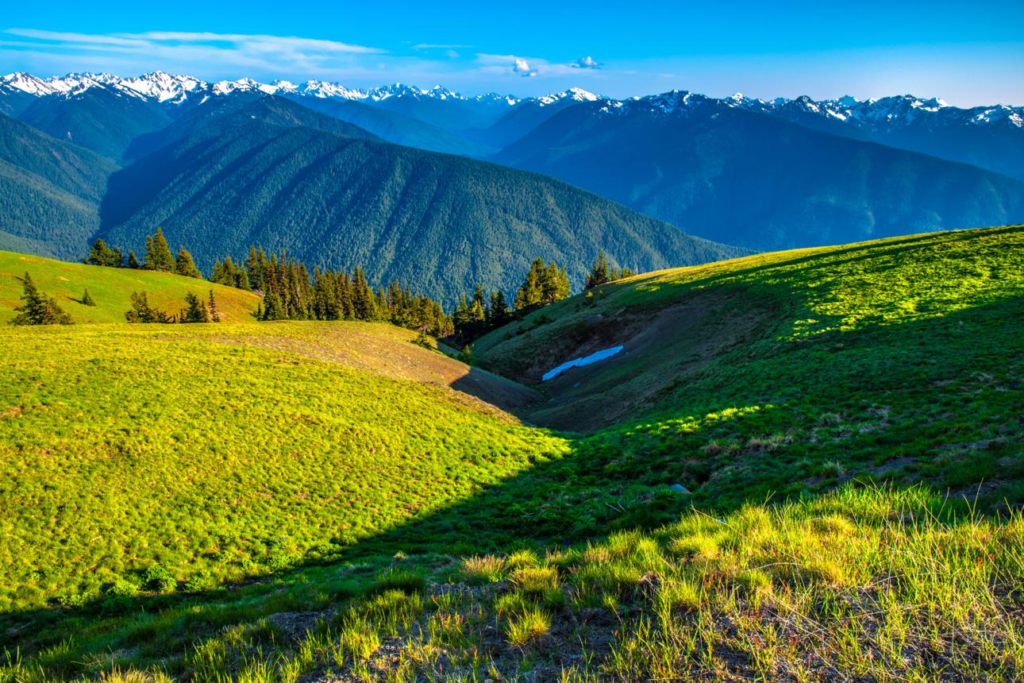
Visitors can explore attractions such as Seattle’s waterfront, Olympic National Park, Mount Rainier, San Juan Islands, Columbia River landscapes, museums, restaurants, and outdoor recreation while following cannabis regulations.
Where Cannabis Consumption Is Allowed
Washington law restricts where cannabis may be consumed.
- Consumption in public places is prohibited.
- Hotels, rental properties, parks, beaches, and workplaces may have their own restrictions.
- Visitors should always confirm property rules before consuming cannabis.
Travelling With Cannabis in Washington
Visitors should understand that legal cannabis possession in Washington does not allow transportation across state borders.
- Do not take cannabis into neighbouring states.
- Do not carry cannabis through airports or onto federal property.
- Do not mail cannabis products.
- Check rules before travelling with cannabis-related products.
Driving and Cannabis
Driving under the influence of cannabis is illegal in Washington. Cannabis can affect reaction time, coordination, and judgment.
Visitors should never drive while impaired and should plan safe transportation options.
Common Misconceptions
- “Cannabis is legal everywhere in the United States.”
False. Cannabis laws vary by state. - “Washington legalization allows interstate travel with cannabis.”
False. Crossing state borders with cannabis remains illegal. - “You can consume cannabis anywhere in Washington.”
False. Public consumption is prohibited. - “A cannabis purchase protects you from all legal restrictions.”
False. Age, location, driving, and transportation rules still apply.
Travel Safety Advice
- Purchase only from licensed retailers.
- Carry identification when required.
- Keep cannabis away from children and pets.
- Do not drive after consuming cannabis.
- Respect local property and public-use rules.
Frequently Asked Questions
Is cannabis legal in Washington?
Yes. Adult recreational cannabis is legal through a regulated system in Washington State.
Can tourists buy cannabis in Washington?
Adults who meet the legal age requirement may purchase cannabis from licensed retailers.
Can visitors take cannabis home?
No. Transporting cannabis across state borders is illegal.
Can tourists smoke cannabis in public?
No. Public cannabis consumption is prohibited.
Is medical cannabis available?
Yes. Washington has a regulated medical cannabis programme.
Sources & References
- Washington State cannabis regulations
- Washington State Liquor and Cannabis Board guidance
- Washington Department of Health information
- U.S. federal cannabis regulations
- Public safety guidance
ordered around midnight didn't think nothing would move till morning. woke up to it already shipped. crazy
Communication is what stood out to me. Got quick responses every time I hit them up. Buds were fresh and trimmed nice too.
pack came thru quick. flower smelled loud when i opened the bag. def gonna slide back thru
I wasn't sure at first cause the crypto payment was new territory for me. Team walked me through it with no attitude. Package showed up right on schedule.
Grabbed some edibles for a lil trip with my girl. They were dosed right, tasted good, didn't feel sketchy. Would order those again.
I had a few concerns before placing the order and their team answered every question without rushing me. That kind of patience means a lot when you're new to this. The pack arrived on time and matched what I paid for.
Ordered a zip of the Purple Punch and it came correct. Trichomes everywhere, cured right, burned clean in the paper. Been buying online for years and this one earned a spot in the rotation.
I've been a customer for close to a year now and the consistency is what keeps me coming back. Not every batch is a home run but the majority have been quality, and when something was off one time they actually made it right without any hassle. That kind of accountability is rare.