

New Jersey is a popular destination for visitors exploring the Jersey Shore, Atlantic City, historic towns, outdoor attractions, and its proximity to major cities such as New York and Philadelphia. Understanding New Jersey cannabis laws is important for tourists planning a visit.
As of 2026, adult-use cannabis is legal in New Jersey for adults aged 21 and older through a regulated state system. However, cannabis remains subject to restrictions involving age limits, licensed purchasing, public consumption, driving, workplace policies, federal property, and transportation across state or international borders.
This guide explains cannabis laws in New Jersey, including recreational regulations, medical cannabis considerations, tourist travel risks, public-use restrictions, and practical advice for visitors.
Quick Answer
Adults aged 21 and older may legally purchase cannabis from licensed New Jersey retailers. However, cannabis cannot be consumed everywhere, and transporting cannabis outside New Jersey may violate state, federal, or international laws.
Tourists should follow New Jersey regulations and avoid carrying cannabis across state lines or international borders.
Quick Facts
| Category | Status |
|---|---|
| Recreational Cannabis | Legal for adults 21+ under New Jersey regulations |
| Medical Cannabis | Legal through regulated access |
| Public Consumption | Restricted |
| Driving Under the Influence | Illegal |
| Federal Property | Subject to federal restrictions |
| Transport Across State Borders | Illegal |
Understanding Cannabis Laws In New Jersey

New Jersey regulates adult-use cannabis through a state licensing system. Legalisation allows regulated adult use but does not mean cannabis can be consumed anywhere or transported freely.
Visitors are subject to New Jersey law while in the state. Cannabis rules from another state or country do not automatically apply.
Legal Cannabis Access In New Jersey
New Jersey allows licensed cannabis businesses to provide regulated products to adults who meet legal requirements.
Tourists should understand age requirements, licensed purchasing rules, possession limits, and local restrictions before using cannabis in New Jersey.
Medical Cannabis In New Jersey
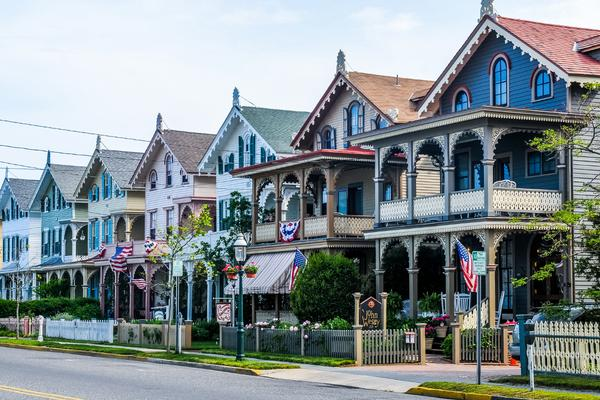
New Jersey maintains a regulated medical cannabis programme for qualifying patients. Medical cannabis access is separate from adult-use cannabis regulations.
Visitors using cannabis-based medicines should check New Jersey requirements before travelling. Medical authorisation from another state or country may not automatically apply.
Public Consumption Rules
Legal possession does not mean cannabis can be consumed anywhere in New Jersey.
- Public cannabis consumption is restricted.
- Local municipalities may establish additional rules.
- Hotels, rentals, workplaces, and private properties may prohibit cannabis use.
- Many public spaces do not permit cannabis consumption.
Travelling With Cannabis
Visitors should understand that cannabis laws differ across borders.
- Do not transport cannabis across state lines.
- Do not bring cannabis through airports for interstate or international travel.
- Do not carry cannabis onto federal property.
- Check requirements before travelling with cannabis-based medicines.
Common Misconceptions
“Cannabis is legal everywhere because New Jersey legalized it.”
False. Cannabis laws vary between states, and federal restrictions remain.
“Tourists can consume cannabis anywhere in New Jersey.”
False. Public-use restrictions apply.
“Legal cannabis can be taken home to another state.”
False. Interstate transport may violate the law.
“Medical cannabis approval from another location is enough.”
False. Visitors must follow New Jersey and federal requirements.
Tourist Experience In New Jersey
New Jersey offers visitors coastal destinations, historic sites, entertainment venues, outdoor recreation, and cultural attractions.
Popular experiences include Jersey Shore beaches, Atlantic City attractions, Cape May historic areas, state parks, museums, restaurants, and scenic coastal communities.
Travel Safety Advice
- Follow New Jersey cannabis regulations.
- Use only licensed cannabis businesses.
- Avoid public consumption.
- Never drive while impaired.
- Do not cross state or international borders with cannabis products.
Frequently Asked Questions
Is cannabis legal in New Jersey?
Yes. Adult-use cannabis is legal for adults aged 21 and older under New Jersey regulations.
Can tourists buy cannabis in New Jersey?
Adults who meet legal requirements may purchase cannabis through licensed retailers.
Can visitors use cannabis on New Jersey beaches?
Public consumption restrictions apply, and local rules may prohibit use in certain areas.
Can tourists take cannabis home on a flight?
No. Cannabis should not be transported across state or international borders.
Is medical cannabis available?
Yes. New Jersey has a regulated medical cannabis programme.
Sources & References
- New Jersey Cannabis Regulatory Commission guidance
- New Jersey cannabis regulations
- Local municipal cannabis rules
- U.S. federal controlled substance guidance
- Transportation and border regulations
bro the edibles are no joke. ate half a gummy thinking i was tough and was couch locked for like 4 hours 😂 well earned lesson
Real talk this the second time I ordered and both times the flower been top shelf. Not that mid stuff other sites be sending. Paying with crypto took a lil getting used to but once you do it once it's easy.
Was hesitant about doing the crypto thing but they made it painless. Support team walked me through and my order was confirmed within the hour. Buds came a day later, packaged real discreet.
I don’t usually leave reviews but this deserved one. Communication stayed steady from start to finish. The pre-rolls burned smooth and even.
Communication stayed solid from start to finish. I had to change my delivery address last minute and they handled it without any issues, no attitude, no extra fees. That kind of service is hard to find these days honestly.
Was passing through for a wedding and needed something to smoke on. Grabbed a pack of pre-rolls and some gummies. The gummies hit harder than I thought lol had me chilling in the hotel all night. Good move.
Ordered a quarter of the Purple Punch and it came through fast. Buds were dense, cured right, and the smell was strong soon as I cracked the bag. No complaints.
Lowkey surprised how easy the whole process was. Ordered some disposables and they came through without any hassle. I appreciate quick responses, that matters to me.
My guy really came through. Pack touched down fast and everything was sealed proper. 100% worth it.
I wasn’t expecting much, just needed something decent. Ended up getting some solid flower that smelled strong right out the bag. Smooth experience.
Prices are fair and the carts hit clean. Didn’t have to chase anyone down for updates either. That alone makes me consider ordering again.
Ngl I almost didn't order cause the site was new to me. Ended up trusting my gut and it paid off. Everything showed up sealed and discreet.
third order in and im satisfied. same quality every time. thats what matters
Third order in and they still locked in. I don't leave reviews often but these guys earned it. Communication been solid every single time.
pack was straight. delivery on point. no complaints