
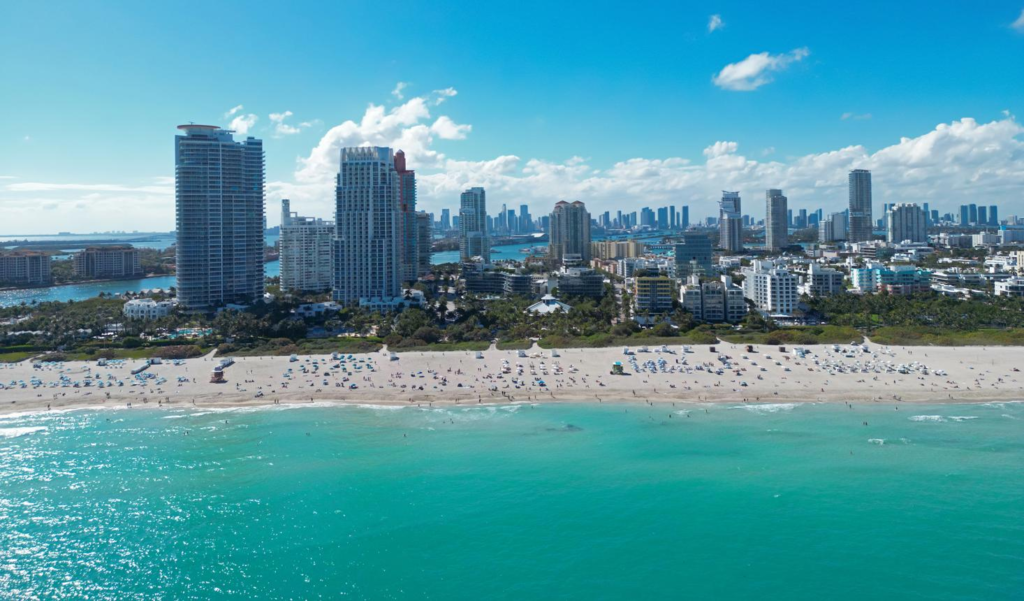
Miami, Florida, is one of the United States’ most popular tourist destinations, known for its beaches, nightlife, art districts, international culture, food scene, and year-round events. Visitors travel to Miami for South Beach, Little Havana, museums, outdoor activities, and coastal experiences. Understanding Florida cannabis laws is important before visiting.
As of 2026, cannabis laws in Florida distinguish between medical cannabis access and recreational use. Medical cannabis is available through a regulated state programme, while recreational cannabis remains restricted unless permitted under future law changes.
This guide explains cannabis laws in Miami, including medical cannabis rules, tourist responsibilities, CBD regulations, public-use restrictions, and travel considerations.
Quick Answer
Cannabis is not generally legal for recreational use in Miami. Visitors should not buy, possess, use, or transport cannabis products outside Florida’s legal framework.
Florida cannabis laws apply to tourists as well as residents, and rules from another state or country do not automatically apply in Miami.
Quick Facts
| Category | Status |
|---|---|
| Recreational Cannabis | Restricted |
| Medical Cannabis | Legal through Florida’s regulated programme |
| Public Consumption | Restricted |
| Possession | Subject to Florida law |
| CBD Products | Subject to federal and state regulations |
| Airport & Interstate Transport | Strictly controlled |
Understanding Cannabis Laws In Miami
Miami follows Florida’s cannabis regulations. Florida separates medical cannabis access from recreational cannabis activities, with licensed medical patients subject to specific requirements.
Visitors should remember that cannabis laws vary significantly across the United States. A product permitted in another state may not be legal in Florida.
Medical Cannabis In Florida
Florida operates a regulated medical cannabis programme for qualified patients who meet state requirements.
Visitors who use medical cannabis should check Florida rules before travelling. Medical authorization from another state or country may not automatically permit possession or use in Florida.
CBD And Hemp Products
CBD and hemp-derived products are regulated under federal and Florida laws. Requirements may depend on THC levels, product type, and labeling compliance.
Travellers should verify that CBD oils, supplements, edibles, or hemp products comply with applicable regulations before bringing them to Miami.
Travelling With Cannabis In Miami
Miami International Airport and other transport points operate under strict federal rules. Cannabis laws in Florida do not override federal restrictions on interstate or international transport.
- Do not bring cannabis across international borders.
- Do not transport cannabis between states without understanding applicable laws.
- Do not carry cannabis products through airports without proper legal authorization.
- Check medicine requirements before travelling.
Common Misconceptions
“Cannabis is legal everywhere in the United States.”
False. Cannabis laws vary by state and federal restrictions still apply.
“Tourists have different cannabis rules.”
False. Visitors must follow Florida law.
“Medical cannabis from another location is automatically accepted.”
False. Florida has its own medical cannabis requirements.
“Cannabis bought legally elsewhere can be taken through airports.”
False. Airport and interstate transport can create legal issues.
Tourist Experience In Miami
Miami offers visitors many legal travel experiences, including beaches, cultural neighbourhoods, architecture, restaurants, nightlife, and outdoor activities.
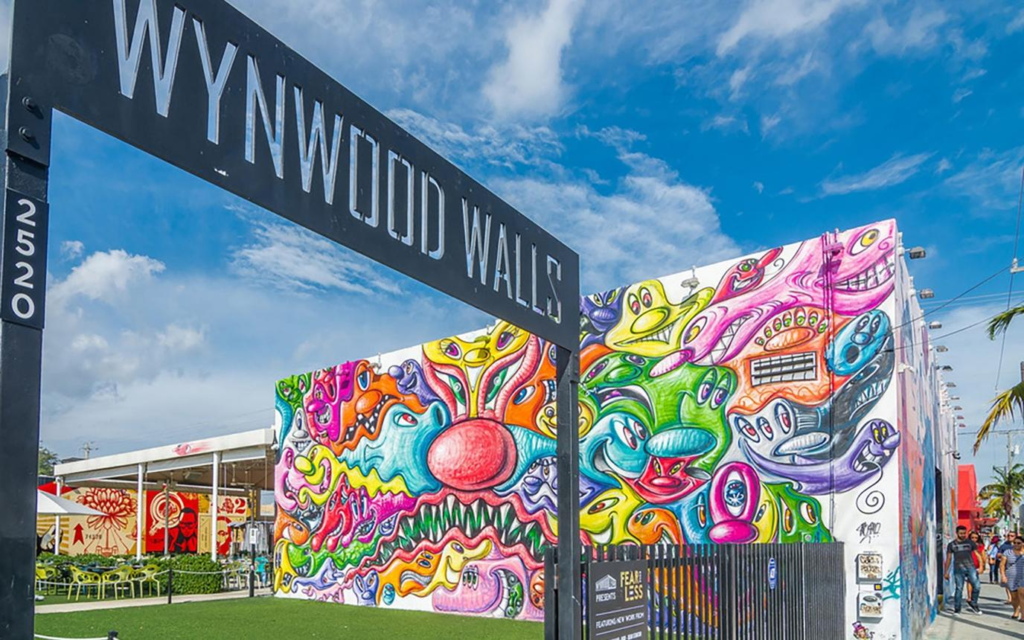
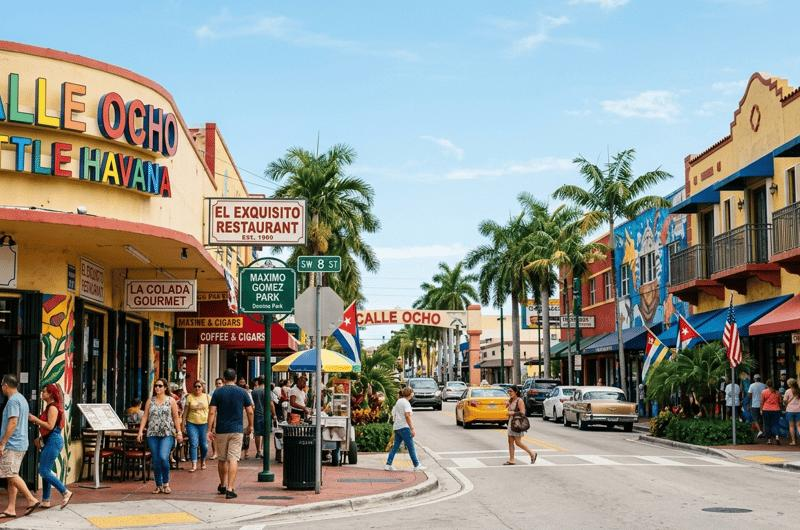
Popular attractions include South Beach, the Art Deco Historic District, Wynwood Walls, Little Havana, Vizcaya Museum and Gardens, and nearby Everglades experiences.
Travel Safety Advice
- Check current Florida cannabis laws before travelling.
- Avoid public cannabis consumption.
- Do not transport cannabis internationally.
- Understand airport and border restrictions.
- Respect local laws and community rules.
Frequently Asked Questions
Is cannabis legal in Miami?
Recreational cannabis is not generally legal in Miami. Medical cannabis is available through Florida’s regulated programme.
Can tourists buy recreational cannabis in Miami?
No. Florida does not operate a general recreational cannabis retail market.
Is medical cannabis available in Florida?
Yes. Qualified patients may access medical cannabis through the state-regulated system.
Can visitors bring cannabis into Miami from another country?
No. International cannabis transport can violate federal law.
Are CBD products allowed?
Some CBD products may be permitted if they comply with federal and Florida regulations.
Sources & References
- Florida cannabis regulations
- Florida Department of Health medical cannabis guidance
- United States federal controlled substance regulations
- Transportation and customs regulations
- International Narcotics Control Board (INCB)
Communication was on point from the jump. They kept me updated the whole way. That builds trust for real.
Bought a pack of disposables for a lil road trip. Lasted longer than I thought and flavor stayed clean the whole time. Worth every dollar.
I've been a customer for close to a year now and the consistency is what keeps me coming back. Not every batch is a home run but the majority have been quality, and when something was off one time they actually made it right without any hassle. That kind of accountability is rare.
Ordered a zip of the Purple Punch and it came correct. Trichomes everywhere, cured right, burned clean in the paper. Been buying online for years and this one earned a spot in the rotation.
Was passing through for a wedding and needed something to smoke on. Grabbed a pack of pre-rolls and some gummies. The gummies hit harder than I thought lol had me chilling in the hotel all night. Good move.
Traveled from Chicago to see family and my usual guy wasn't around. Took a chance on these dudes based on some reviews. No regrets, buds were fresh and delivery was quick.
I wasn't sure at first cause the crypto payment was new territory for me. Team walked me through it with no attitude. Package showed up right on schedule.
Grabbed some edibles for a lil trip with my girl. They were dosed right, tasted good, didn't feel sketchy. Would order those again.
bro the edibles are no joke. ate half a gummy thinking i was tough and was couch locked for like 4 hours 😂 well earned lesson
Communication is what stood out to me. Got quick responses every time I hit them up. Buds were fresh and trimmed nice too.